
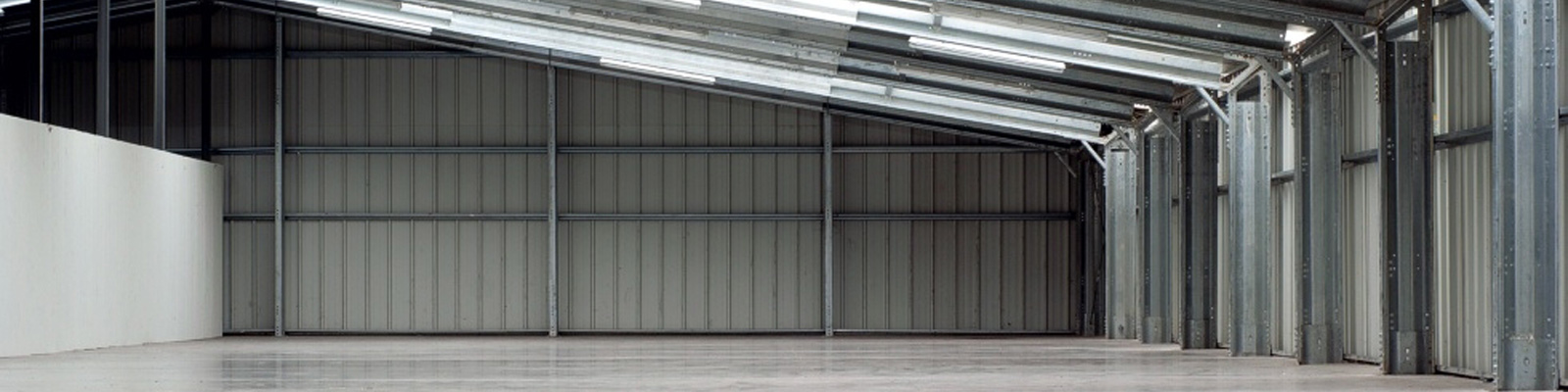
Industrial heating bills cripple Toronto businesses every winter season predictably. Strategic industrial building insulation cuts energy costs by thirty to fifty percent. Warehouses and factories leak heat through massive surface areas constantly. Smart owners invest in efficiency rather than throwing money away.
The Scale Of Industrial Waste
Large buildings magnify every inefficiency dramatically through size alone. Poor industrial building insulation means heating massive volumes of air repeatedly all day. Costs multiply faster than residential properties by significant margins here. Your competition improves efficiency while you fall behind losing money.
Spray Foam Delivers Superior Performance
Closed-cell foam fills every gap creating airtight envelopes completely. R-value per inch exceeds traditional fiberglass significantly for thickness. It adheres permanently to metal preventing thermal bridging issues. Moisture barrier properties protect against condensation problems developing inside. Application takes days, not weeks like other insulation methods.
Roof Insulation Pays Back Fastest
Heat rises, making ceilings your biggest loss area by far. Forty percent of energy escapes through roofs in typical buildings. Adding six inches of insulation cuts this loss dramatically overnight. White reflective coatings reduce summer cooling loads too later. Return on investment often happens within three to five years.
Loading Dock Doors Waste Energy
Install high-speed doors minimizing open time for trucks. Add vinyl strip curtains creating buffer zones effectively. Use inflatable dock seals preventing air infiltration completely. Schedule deliveries grouping them to reduce total open time. Install dock shelters enclosing trucks during unloading operations.
Radiant Heat Targets Workers Directly
Heating entire volumes wastes money warming empty air unnecessarily. Overhead radiant panels warm people and objects below them. Workers feel comfortable while air temps stay lower overall. Energy savings reach thirty percent compared to forced air. Zones heat only active work areas as needed.
Air Curtains Protect Entrances
Powerful fans create invisible barriers at doorways preventing infiltration. They allow easy passage without stopping workflow or causing delays. Models exist for pedestrian and vehicle openings both specifically. Installation pays for itself within two years typically through savings. Worker comfort improves dramatically near entries and loading areas.
Windows And Skylights Need Upgrades
Single-pane glass loses heat faster than insulated walls do. Glazing film adds insulation while reducing glare for workers. Replace old units with modern insulated versions during renovations. Consider window-to-wall ratios when planning new construction projects carefully. Natural light benefits don’t justify excessive heat loss ever.
Heating System Efficiency Matters Too
Old boilers and furnaces waste fuel through inefficiency built-in originally. Modern condensing units extract more heat from same fuel. Programmable controls reduce temps during unoccupied hours automatically overnight. Zone systems heat only areas in use currently saving significantly. Annual maintenance keeps equipment running at peak efficiency always.
Government Rebates Reduce Costs
Federal programs offer grants for energy efficiency upgrades qualifying businesses. Provincial incentives stack on top for even greater savings. Utility companies provide additional rebates for major improvements completed. Energy audits identify opportunities and are often free for businesses. These programs change so check current offerings before starting work.
Calculate Your Potential Savings Now
Review past three years of heating bills for baseline. Identify your cost per square foot monthly for comparison. Get quotes from three insulation contractors for competitive pricing. Request energy modeling showing projected savings from improvements recommended. Factor in rebates when calculating return on investment timelines.
Start Planning Your 2026 Upgrade
Winter reveals exactly where your building loses heat most. Document problem areas with thermal cameras or professional audits. Budget improvements spreading costs across multiple years if needed. Schedule work during slower production periods minimizing disruption caused. Your bottom line improves immediately after completion of work.
Industrial spaces don’t have to drain profits through walls. Modern insulation technology delivers real, measurable returns on investment. Toronto’s harsh winters punish inefficient buildings without mercy yearly. Your facility can run warmer while costing less monthly. Stop accepting high energy bills as unavoidable business costs. Efficiency upgrades protect margins for decades ahead successfully.