
2026 Insulation Retrofits Toronto Buyers Want

Buyers in Toronto and across Ontario in summer 2026 look past paint and flooring and ask how well a home holds heat and cool. An insulation retrofit that includes a metal roofing installation can shift comfort, cut drafts, and give your property an edge in a tight market.

Why A Roof‑First Retrofit Stands Out

The roof covers a huge part of the building shell. When it leaks heat in winter or bakes in summer, every room feels it. Tying an insulation retrofit to a metal roofing installation lets you address both thermal loss and weather defense at the same time.

Metal systems pair well with high‑value roof insulation above or below the deck. That combo helps keep indoor temps steady, which buyers notice as soon as they step into top floor rooms on a hot or humid day.

How Metal Roofing Boosts Energy And Comfort

A well installed metal roof reflects more sun than many dark shingles and works well with rigid or panelized roof insulation. This helps slow heat gain in summer and reduces the strain on air‑conditioning. In winter, tight seams and proper underlay keep warm air from racing out through the top of the house.

When your insulation retrofit includes new metal, you also gain better control of venting. Good vent paths under or above panels let moisture out while keeping the roof deck dry, which protects both structure and comfort.

Key Retrofit Zones To Pair With Metal Roofing

If you plan a metal roofing installation in 2026, think about upgrading these areas at the same time:

  • Attic or roof deck insulation on older homes
  • Insulated panels over low slope roofs on shops or mixed use sites
  • Transition zones where walls meet the roof
  • Top floor ceilings under old, thin roof sheathing

Dealing with these spots while the roof is open avoids repeat work later. It also gives you one clear story to share with buyers about how the home shell was improved.

Why Buyers Value These Upgrades In 2026

Energy prices and comfort rank high for many buyers now. An insulation retrofit backed by a modern metal roofing installation sends a clear signal that the home is ready for future winters and hot summers. Over half of serious buyers ask about past upgrades to roofs and insulation when they weigh long term cost.

Metal also has a tidy, long‑lasting look that many see as a premium feature. When you can list both new metal roofing and fresh insulation in your sale notes, your home can stand out from others with only cosmetic work.

Planning Your Retrofit For Summer 2026

Warm, stable weather in summer 2026 gives a wide window for roof work and shell upgrades. Crews can open sections of roof, add insulation, and install metal panels without fighting deep cold or ice.

Before work starts, have a clear plan: target R‑values, vent strategy, panel type, and flashing details. That kind of plan helps the crew move in a clean sequence and keeps your project tighter on time and budget.

Contact Eco‑Insulated Panel Manufacturing Today

If you want your next upgrade to impress both current occupants and future buyers, contact Eco‑Insulated Panel Manufacturing today. Their team can walk you through insulation retrofit options that pair with metal roofing installation, so your Toronto or Ontario property gains comfort, curb charm, and a stronger sale story for 2026.

Will Your Roof Load Fail During Toronto’s Next Storm?

Summer 2026 storms in Toronto and across the GTA hit hard, with heavy rain, gusty wind, and late season hail. A new metal roofing installation that treats roof load the right way can help your building face all that weight and force with far more calm.

What Roof Load Means For Metal Roofs

Roof load is the total weight your roof can safely carry at one time. With a metal roofing installation, that load includes the panels, snow, water, and any gear mounted on the surface, plus wind uplift that tugs at the edges. When the structure under the metal is weak or not sized for local weather, even the best panels struggle.

Metal systems spread weight across the deck, but they still need proper support from rafters, purlins, or trusses. If those parts sag, ponding water or ice can build up, adding more stress and raising the chance of leaks or damage in a big summer storm.

Why Older Roofs Need A Load Check Before Re‑Roofing

Many Toronto buildings have older decks with past patch jobs and hidden weak spots. If you bolt a new metal roofing installation on top of that without a load review, you may trap problems under fresh steel. Over time, small dips can deepen and collect water, which adds extra roof load in each storm.

Before you switch to metal, a trained pro should look at the deck, support lines, and fasteners. They can judge if added sheathing, bracing, or a lighter panel choice is wise. This step keeps your upgrade from stressing a frame that was not ready.

How Summer Storms Test Metal Roofs

Summer storms bring fast, hard rain with strong crosswinds. On a metal roof, water races down the panels and into gutters, while gusts push up at the seams and edges. If fasteners, clips, or trim are not set right, that mix can pry at the system over time.

Hail and wind‑borne debris can also dent or strike panels. Good install work sets proper lap lines, uses the right screws, and anchors trim so the whole system works as one unit against each gust.

Designing A Metal Roof With Load In Mind

A strong metal roofing installation starts at the design stage. Your team should:

  • Match panel type and gauge to span and slope
  • Size support spacing for snow, wind, and live load
  • Plan venting so heat and moisture do not warp the deck
  • Choose fasteners that suit the panel and frame

In mixed snow and rain regions like Ontario, it often pays to pick profiles that shed water well and resist ponding. On low slope roofs, that can mean different seams and support layouts than on steep residential roofs.

Signs Your Current Roof Needs A Structural Review

Even before you choose metal, look for hints that roof load has been a problem:

  • Visible sag lines when you sight along the ridge
  • Ceiling cracks that show up after big storms
  • Doors and windows that stick more after heavy rain
  • Old patches where leaks came back more than once

These are warning flags that the structure may need work before or during your metal roofing upgrade.

Contact Eco‑Insulated Panel Manufacturing Today

If recent storms have made you worry about roof load, contact Eco‑Insulated Panel Manufacturing today. Their team can discuss metal roofing installation options and insulated panel systems that work with proper support design, so Toronto and Ontario buildings handle summer 2026 storms with more strength and far less stress.

2026 Insulation Tweaks To Beat That First Brutal Heat 

Spring may still feel cool, yet the first harsh heat wave often hits Toronto and southern Ontario fast. Insulation retrofit plans that use insulated metal wall panels help buildings handle that jump without rooms turning stuffy. Small, focused upgrades to the wall envelope can shift comfort and energy use long before peak summer arrives.

Why Walls Matter As Much As The Roof

Roofs get most of the attention, yet walls make up a large share of the surface that trades heat with the outdoors. Older buildings often carry thin batts, poorly sealed joints, and thermal bridges at girts and columns. Sun on dark wall cladding can push indoor temps up even when the roof performs well, forcing cooling gear to work harder than it should.

What Insulated Metal Wall Panels Add

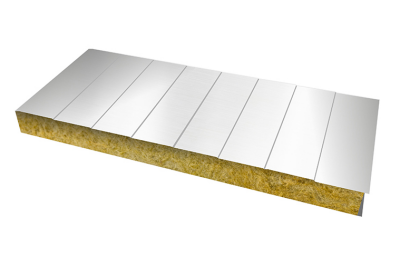
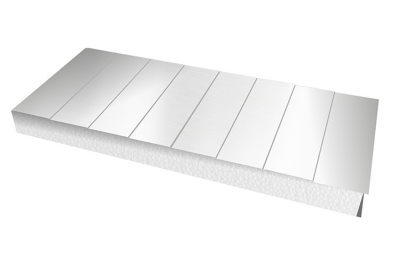
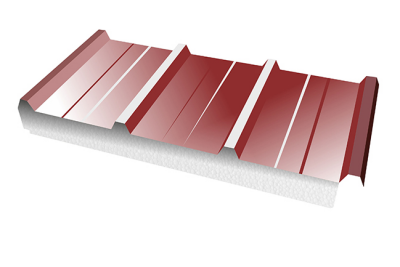
Insulated metal wall panels combine metal skins with a continuous insulated core that serves as structure, air barrier, and thermal layer. That continuous core cuts bypasses and cold or hot spots that happen with cavity insulation and metal framing. Once installed, the wall behaves like a clean thermal shell, with fewer breaks for air and moisture to sneak through.

Targeted Retrofits For Fast Gains

You do not have to reclad everything at once. Many 2026 projects start with the worst‑performing walls: long west or south elevations, loading bays, or office zones that overheat first. By replacing older siding and patchy insulation with insulated metal walls there, owners see noticeable comfort and demand changes while spreading cost across phases.

Better Summer And Winter Performance

A good insulation retrofit pays off in both directions. The same panels that keep out July heat also slow January chill, reducing the need for separate upgrades later. High R‑values and tight joints help cut peak cooling and heating loads, which can support smaller future HVAC units or give more headroom for process equipment in industrial sites.

Support For Rebates And Code Shifts

Federal and provincial programs continue to back envelope upgrades that cut energy use and emissions, including wall insulation improvements. Continuous insulated metal walls often meet or exceed the thermal performance levels those programs reward. That means a well‑planned 2026 insulation retrofit may qualify for grants or incentives while also keeping your building aligned with evolving code targets.

Design Flex Without Sacrificing Performance

Owners do not have to choose between performance and looks. Insulated metal walls come in varied profiles, colours, and finishes, so façades can match branding or blend with existing sections while delivering strong thermal benefits. Using matching roof and wall systems also simplifies detailing at eaves and corners, improving both appearance and long‑term weather tightness.

Plan Your 2026 Retrofit With Eco‑Insulated Panels

A successful insulation retrofit depends on the right panel choice and careful detailing at joints, openings, and supports. Eco‑Insulated Panels supplies insulated metal wall and roof panels engineered for Canadian conditions, helping owners upgrade envelopes on commercial, industrial, farm, and even residential buildings.

Connect with Eco‑Insulated Panels to discuss 2026 insulated metal wall options that can beat that first brutal heat, cut year‑round energy use, and give your building a cleaner, modern look.

Will Your Roof Groan Under Sudden Storms This Year? 

Storm patterns across Ontario keep getting wilder. roof load safety now needs more than a quick glance at shingles after a long winter. Metal roofing systems paired with insulated panels give homes and light buildings a stronger shell against heavy snow, wind, and fast‑changing weather in 2026.

How Modern Storms Stress Roofs

Sudden snow, rain‑on‑snow events, and sharp wind gusts load roofs unevenly. Snow drifts gather near ridges, parapets, and height changes, while rain soaking old snow can spike roof weight in just a few hours. Updated 2026 load standards now account for these patterns, with extra focus on corners, edges, and roof zones that see far higher suction and uplift than flat middle areas.

Why Metal Roofing Handles Load Better

Quality steel roofing uses interlocking panels tied into engineered fastening patterns. That setup moves snow and wind forces back into rafters and purlins instead of letting single shingles take the hit. Metal sheets also shed snow more quickly at safe pitches, which reduces long‑term weight and the risk of ice backing up behind ridges and vents.

Extra Protection With Insulated Metal Roof Panels

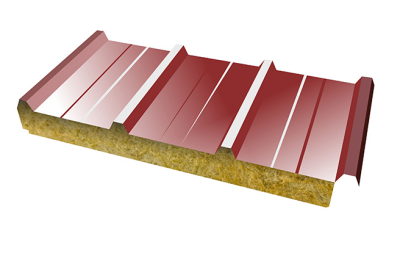
Insulated metal roof panels act like a structural sandwich: two metal faces bonded to a rigid core. This core boosts stiffness, limits deflection under load, and delivers strong thermal and moisture barriers at the same time. When roof and wall panels form a full envelope, the building gains both higher roof load safety and much better energy performance than many layered systems.

Lighter Weight, Strong Structure

Metal roofing often weighs less than thick shingle stacks or heavy tiles. That lower dead load means more of the structural capacity can go toward live loads like snow and ice. For retrofits, this can help older framing meet today’s load expectations without full structural replacement, once a qualified designer reviews spans and connections.

Performance Across Seasons

A roof that handles snow well also needs to stand up to summer heat. Insulated metal panels keep their thermal performance across wide temperature swings, reducing expansion and contraction stress on fasteners and seams. Their tight joints and weather seals also resist driven rain and meltwater, cutting the chance of leaks that weaken decks and rafters over time.

Planning A 2026 Roof Upgrade

If your current roof shows sagging, ice issues, or repeated leak repairs, the next big storm will only raise concern. A 2026 upgrade to metal roofing with insulated panels can align your home or shop with newer load expectations while reducing heating and cooling demands. Proper engineering will size panels, fasteners, and support members to your snow and wind zone instead of relying on old rules of thumb.

Build A Stronger Roof With Eco‑Insulated Panels

Metal roof performance depends on panel quality and system design. Eco‑Insulated Panels manufactures insulated metal roof and wall panels for Canadian climates, combining structural strength, roof load safety, and high thermal performance in one package. Their team can help you explore roof panel options, review load and climate needs, and plan a 2026 upgrade that keeps your roof from groaning under the next sudden storm.

2026 Industrial Metal Panel Upgrades Cut The Chill

Ontario plants and warehouses face sharp cold and wild swings as 2026 gets rolling. insulation upgrade plans now focus more on the full building shell, not just the heaters inside. With the right metal panel systems, large sites around Toronto and the GTA can trim heat loss, steady indoor temps, and prepare for new energy rules.

Why Old Envelopes Waste So Much Heat

Many older industrial sites still rely on thin cladding and patchy batts in walls and roofs. Gaps, crushed batts, and thermal bridges at girts and purlins give heat an easy path outside. Over time, small fixes and add‑ons leave a mix of materials that leak air and moisture, so staff feel drafts near walls while heaters run far harder than they should.

How Insulated Metal Panels Change The Game

Insulated metal panels wrap structure, air barrier, and insulation into one tight layer. Steel skins bond to a rigid core, which creates a solid, light unit that spans from frame to frame without gaps or sagging. This setup gives more even thermal performance than loose batts, with no cavities, crushed zones, or cold bridges at ties, so inside temps stay steadier with less energy use.

Comfort Gains On The Plant Floor

Better shells help more than the gas bill. When walls and roofs hold heat, staff who work near docks, high bays, and exterior walls feel fewer cold spots and drafts. More stable indoor temps support steady output from gear and stock as well, since sensitive goods face fewer swings in temp and moisture during Winter and Spring 2026.

Staying Ahead Of New Energy Codes

New codes and low carbon plans across Canada push large buildings toward deeper retrofits, with tighter shells and lower heat demand as core goals. When owners pair an insulation upgrade on the envelope with smart HVAC changes, they can shrink loads and gain room for high efficiency heat pumps and other modern systems. In many cases, panels that meet higher thermal targets today also help sites qualify for grants, rebates, or better long term lease terms.

Fast Retrofits With Less Downtime

Traditional multi part wall systems need many trades on site and longer install time. Insulated metal panels hang as single units from outside, which often lets crews work in phases while the plant runs inside. The quicker install and lighter weight can cut scaffold time, shorten project windows, and help owners stage upgrades zone by zone rather than shutting entire lines.

Design Flex For Modern Industrial Sites

Today’s plants and warehouses serve as brand touchpoints as well as work boxes. Panels come in varied profiles, colours, and finishes that help match office fronts, docks, and high bay walls in one clean look. With roof and wall panels from one system, owners can form a full envelope that handles wind, rain, snow, and bright sun, while still giving architects room to shape bold yet low upkeep facades.

Why Eco‑Insulated Panels Fits 2026 Projects

For Ontario owners planning a 2026 insulation upgrade, a partner who focuses on panel systems makes a real difference. Eco‑Insulated Panels supplies insulated metal panels for walls and roofs with high thermal values, strong moisture control, and quick install methods that fit both new builds and retrofits across Canada and the United States. Their team can review your current shell, suggest panel options for your climate zone, and help align design with emerging code demands so your site stays warm, efficient, and ready for growth.

Why Snow Load Baffles Toronto Homeowners & Why Metal Roofs are the Answer

Snow on roofs looks soft from the ground. roof load safety turns that calm white layer into a key factor for any metal roofing installation in Toronto. Many owners and even some crews still misread how snow weight builds, shifts, and presses on a metal system over time.

Metal Roofs And Heavy Winter Snow

Metal roofs shed snow in a different way than shingle systems. Smooth panels can let snow slide in sheets when temps rise a bit, while colder snaps can hold a thick, heavy blanket in place. Both cases demand careful planning, since fast slides can drop weight onto decks or walks, and fixed piles can strain seams and fasteners if the frame below is weak.

Wet Snow And Drifting Patterns

Not all snow storms act the same. Light, dry snow may slide off a metal roof with ease, yet dense, wet snow can cling and grow heavy in just a few hours. Wind can push that load into drifts in valleys, around vents, and near panel joints. Those deep pockets cause more stress on select spots than a flat, even layer would, so roofers must read the shape of the roof and normal drift paths before they size panels, clips, and guards.

Old Framing Meets New Metal

Many Toronto homes carry older framing that was never planned for the mix of wild storms we now see. When a new metal roof goes on top, crews must think about how much added snow weight those rafters and trusses can take. A sleek new metal surface does not fix sagging beams or tired deck boards; in some cases, it can even make issues more clear when heavy snow settles in low points.

Why Rules Still Cause Confusion

Codes and tables give base limits, yet real world roofs rarely match the neat sample shapes in guide charts. Dormers, hips, and long spans on custom homes all shift how load moves through the frame. Metal roofing installation adds more choices, like panel type, seam layout, and snow guard placement, and each choice can change how snow stacks or slides. That mix of factors leaves room for guess work if crews do not slow down and measure with care.

How Snow Guards Fit Into The Picture

Snow guards on metal roofs help break up large sheets of sliding snow. When placed in smart rows, they hold snow in smaller chunks so decks, paths, and lower roofs face less risk from sudden drops. Yet too few guards, or guards in the wrong pattern, can create dense ridges of packed snow that sit on one part of the roof far longer than planned, adding stress if the frame below is not sized well.

What Owners Should Watch This Winter

Owners can play a smart role in roof load safety with metal roofs. Watch how snow behaves after a few storms: does it slide in big slabs, form thick banks over entries, or linger in deep pockets? Note new wall cracks, sticky doors, or ceiling dips, which may hint at stress on the frame. When you see odd signs, call a trusted pro who knows metal roofing installation and can check both the panels and the structure beneath.

Planning The Next Metal Roof With Eco-Insulated Panels

For new projects in Toronto and nearby cities, start the design with snow in mind, not just style. Ask about panel profile, fastener choice, and snow guard layout, and how they fit with local storm trends. A metal roof sized and set up for real GTA winters can handle deep snow, sudden thaw, and late Spring 2026 flurries with less drama, giving you a long lasting, low stress cover over your home.

Factory Walls Freezing? Industrial Insulation Facts

When exterior walls in a plant or warehouse feel icy to the touch, it’s more than a comfort problem. Winter industrial insulation upgrade planning often reveals energy waste, condensation risk, and uneven temperatures harming processes. Colder surfaces can drive up heating costs, create worker discomfort, and stress equipment. Addressing the building envelope directly delivers long-term, structural improvements.

Industrial buildings frequently feature large wall areas, high ceilings, and metal cladding that loses heat quickly. Over time, original insulation may settle, compress, or be damaged by moisture or mechanical impacts.

Gaps, thermal bridges, and uninsulated penetrations allow heat to escape and cold to infiltrate. A focused look at insulation performance helps you prioritize industrial insulation investments that pay off.

Why Factories Feel So Cold in Winter

High-volume spaces require significant energy to heat, and any weakness in the envelope magnifies losses. Metal skins and minimal wall assemblies conduct heat out rapidly, especially near structural members. Large doors for shipping and receiving also introduce repeated blasts of cold air.

Air stratification compounds the issue: warm air rises toward the ceiling, while workers at floor level experience drafts and low temperatures. Poorly insulated walls accelerate this layering effect.

Step 1: Assess Existing Insulation and Envelope

Begin with a visual inspection inside and out. Look for:

  • Exposed or damaged insulation
  • Rust, staining, or signs of moisture intrusion
  • Gaps around penetrations, conduits, and pipe chases

If possible, use temperature readings or thermal imaging to identify cold spots along walls and junctions. These tools reveal hidden weak points, such as compressed batts or missing sections behind panels.

Step 2: Identify High-Impact Upgrade Zones

Not every wall segment contributes equally to discomfort and loss. Focus on:

  • Areas near workstations or production lines
  • Zones around large doors and loading docks
  • Sections where condensation or frost appears

Upgrading insulation in these targeted locations can quickly improve perceived comfort and reduce localized energy waste.

Step 3: Consider Building Insulation for Industrial Settings

Common strategies include:

  • Adding insulated metal panels over existing skins
  • Injecting or blowing insulation into wall cavities
  • Installing interior insulated liners or blanket systems

Each approach has trade-offs in cost, disruption, and performance. Industrial-grade materials must also withstand impacts, vibration, and environmental conditions unique to each facility.

Step 4: Address Thermal Bridges and Air Leaks

Structural steel, concrete columns, and metal girts can create thermal bridges that bypass insulation. Solutions may involve exterior insulation layers or specially designed thermal breaks. Sealing air leaks at junctions, seams, and penetrations further reduces drafts and uncontrolled heat exchange.

Combining better insulation with improved air sealing often yields superior results compared to either measure alone.

Step 5: Integrate Upgrades With HVAC Strategy

Improved wall performance changes how your heating system behaves. Warmer interior surfaces reduce radiant chill, potentially allowing setpoints to be lowered while maintaining comfort. Work with your mechanical team to recalibrate airflow patterns and temperature settings after envelope improvements.

Better insulation also helps support any future investments in high-efficiency equipment, ensuring that generated heat stays inside longer.

Step 6: Factor in Worker Comfort and Productivity

Beyond energy metrics, more stable interior temperatures can reduce absenteeism, errors, and fatigue among staff. When people no longer contend with cold drafts or icy walls, they can focus more fully on tasks. This human factor often reinforces the financial case for upgrades.

Clear communication about planned improvements also shows employees that their working conditions matter, supporting morale.

Turn Cold Walls Into a Strategic Win

Freezing factory walls signal deeper inefficiencies that you don’t have to accept as inevitable. By assessing insulation, sealing leaks, and targeting high-impact zones, you can create a more efficient, comfortable industrial environment. If your facility is ready for a structured envelope review, coordinate an assessment and call us.

Roof Snow Tonnage: Calculate Yours Before Collapse

Heavy snow looks picturesque from the ground, but on a roof it can become a serious structural burden. Winter snow load calculation helps you understand how much weight your roof may be carrying after storms. When accumulation exceeds design assumptions, the risk of damage or collapse increases, especially on flatter structures. Knowing how to estimate loads guides safer decisions about removal and monitoring.

Snow weight on a roof depends on depth, density, and whether layers have compacted or turned crusty. Wet or partially melted snow can weigh far more than light, fluffy drifts of the same depth. Wind distribution, drifting patterns, and roof shape further complicate the picture. A simplified approach can still give you a useful, ballpark perspective.

3 Factors That Influence Snow Weight

Three main elements determine how heavy the snowpack really is:

  • Depth: How many inches or feet of snow are present
  • Density: How much water content per volume of snow
  • Roof shape: Flat, low-slope, or steep pitches that shed snow

Over time, light snow compresses under its own weight and may absorb meltwater, boosting density and total load even without new accumulation.

Step 1: Measure Snow Depth in Several Spots

Work with a professional to avoid any danger to yourself. Measure depth in multiple locations: near the center, near edges, and in suspected drift zones. Avoid walking on the roof if conditions are uncertain or unsafe. Average your readings to estimate a representative depth, noting any significantly deeper drifts that might create localized overloads.

Step 2: Understand Rough Density Ranges

Snow density varies widely, but very generalized ranges often used in educational resources look like this:

  • Fresh, dry snow: relatively light per cubic foot
  • Settled or packed snow: heavier per cubic foot
  • Wet snow or ice layers: heavier still per cubic foot

While you may not know exact density, recognizing that older, denser snow weighs more helps you interpret depth measurements cautiously.

Step 3: Apply a Simplified Calculation

A simplified approach multiplies average depth (converted to feet) by an estimated weight per cubic foot to approximate pounds per square foot. This does not replace engineering analysis but can inform your sense of risk. When in doubt, assume a higher weight category if the snow feels wet or compacted.

Remember that certain codes and design standards specify roof design loads based on local climate. Your building plans or a structural professional can explain what your specific roof was built to handle.

Step 4: Watch for Warning Signs of Overload

Inside the building, look for:

  • New cracks in drywall or plaster
  • Doors and windows that suddenly stick
  • Unusual creaking or popping noises

On the exterior, note any visible sagging, deformed gutters, or unusual roofline waves. These clues may indicate the structure is stressed. If you see such signs, evacuate the area under the affected section and seek professional assessment rather than attempting DIY snow removal.

Step 5: Plan Safe Snow Removal

If removal is warranted, prioritize safety. Use long roof rakes from the ground where possible, and avoid chipping at ice dams in ways that could damage shingles. For large or complex roofs, hiring experienced crews with appropriate equipment is often the safest option.

Never overload a roof by piling removed snow into a single concentrated spot. The goal is to reduce load, not shift it dangerously.

Keep Weight Within Reasonable Limits

Understanding how snow weight accumulates gives you a more rational way to respond to winter storms. A basic calculation, informed by depth and density, can guide decisions about monitoring and removal. If you’re unsure about your building’s design capacity or see troubling signs, consult a structural expert and call.

Stop Wasting Fortunes on Heating Industrial Space 2026

Industrial heating bills cripple Toronto businesses every winter season predictably. Strategic industrial building insulation cuts energy costs by thirty to fifty percent. Warehouses and factories leak heat through massive surface areas constantly. Smart owners invest in efficiency rather than throwing money away.

The Scale Of Industrial Waste

Large buildings magnify every inefficiency dramatically through size alone. Poor industrial building insulation means heating massive volumes of air repeatedly all day. Costs multiply faster than residential properties by significant margins here. Your competition improves efficiency while you fall behind losing money.

Spray Foam Delivers Superior Performance

Closed-cell foam fills every gap creating airtight envelopes completely. R-value per inch exceeds traditional fiberglass significantly for thickness. It adheres permanently to metal preventing thermal bridging issues. Moisture barrier properties protect against condensation problems developing inside. Application takes days, not weeks like other insulation methods.

Roof Insulation Pays Back Fastest

Heat rises, making ceilings your biggest loss area by far. Forty percent of energy escapes through roofs in typical buildings. Adding six inches of insulation cuts this loss dramatically overnight. White reflective coatings reduce summer cooling loads too later. Return on investment often happens within three to five years.

Loading Dock Doors Waste Energy

Install high-speed doors minimizing open time for trucks. Add vinyl strip curtains creating buffer zones effectively. Use inflatable dock seals preventing air infiltration completely. Schedule deliveries grouping them to reduce total open time. Install dock shelters enclosing trucks during unloading operations.

Radiant Heat Targets Workers Directly

Heating entire volumes wastes money warming empty air unnecessarily. Overhead radiant panels warm people and objects below them. Workers feel comfortable while air temps stay lower overall. Energy savings reach thirty percent compared to forced air. Zones heat only active work areas as needed.

Air Curtains Protect Entrances

Powerful fans create invisible barriers at doorways preventing infiltration. They allow easy passage without stopping workflow or causing delays. Models exist for pedestrian and vehicle openings both specifically. Installation pays for itself within two years typically through savings. Worker comfort improves dramatically near entries and loading areas.

Windows And Skylights Need Upgrades

Single-pane glass loses heat faster than insulated walls do. Glazing film adds insulation while reducing glare for workers. Replace old units with modern insulated versions during renovations. Consider window-to-wall ratios when planning new construction projects carefully. Natural light benefits don’t justify excessive heat loss ever.

Heating System Efficiency Matters Too

Old boilers and furnaces waste fuel through inefficiency built-in originally. Modern condensing units extract more heat from same fuel. Programmable controls reduce temps during unoccupied hours automatically overnight. Zone systems heat only areas in use currently saving significantly. Annual maintenance keeps equipment running at peak efficiency always.

Government Rebates Reduce Costs

Federal programs offer grants for energy efficiency upgrades qualifying businesses. Provincial incentives stack on top for even greater savings. Utility companies provide additional rebates for major improvements completed. Energy audits identify opportunities and are often free for businesses. These programs change so check current offerings before starting work.

Calculate Your Potential Savings Now

Review past three years of heating bills for baseline. Identify your cost per square foot monthly for comparison. Get quotes from three insulation contractors for competitive pricing. Request energy modeling showing projected savings from improvements recommended. Factor in rebates when calculating return on investment timelines.

Start Planning Your 2026 Upgrade

Winter reveals exactly where your building loses heat most. Document problem areas with thermal cameras or professional audits. Budget improvements spreading costs across multiple years if needed. Schedule work during slower production periods minimizing disruption caused. Your bottom line improves immediately after completion of work.

Industrial spaces don’t have to drain profits through walls. Modern insulation technology delivers real, measurable returns on investment. Toronto’s harsh winters punish inefficient buildings without mercy yearly. Your facility can run warmer while costing less monthly. Stop accepting high energy bills as unavoidable business costs. Efficiency upgrades protect margins for decades ahead successfully.

Will Your Roof Survive Savage Winter 2026?

Toronto winters dump massive snow amounts on roofs annually without warning. Proper roof maintenance snow load checks prevent catastrophic collapse and expensive damage to structures. Most homeowners never think about weight limits until disaster strikes. Your roof faces serious danger right now this season.

Understanding The Real Danger

Snow weighs far more than people realize when accumulated deep. Regular roof maintenance snow load monitoring protects your biggest investment from crushing failure completely. Wet snow weighs triple what fluffy powder does per inch. Ice adds even more weight that exceeds design limits quickly.

Calculate Your Roof’s Capacity First

Most residential roofs handle twenty pounds per square foot safely. Fresh snow weighs about five pounds per cubic foot. Packed snow increases to fifteen to twenty pounds instead. Ice weighs a whopping fifty-seven pounds per cubic foot. Six inches of ice equals two feet of fresh snow.

Warning Signs Demand Immediate Action

Ceilings sag or show new cracks appearing suddenly overnight. Doors stick or won’t close properly anymore without forcing. Creaking or popping sounds come from the structure above. Windows crack without obvious impact causes from outside. Water stains appear despite no recent leaks before now.

Exterior walls lean or bow outward slightly from normal positions. Rafters show cracks visible from attic spaces when inspecting. Roof decking separates from support beams when viewed from below. These signs mean emergency clearing is needed immediately today.

Safe Snow Removal Methods

Roof rakes extend twenty feet letting you clear from ground. Work from eaves toward peaks to avoid trapping yourself. Remove snow in layers rather than all at once. Leave two inches protecting shingles from rake damage caused. Never walk on snow-covered roofs hiding ice patches underneath.

Professional services use proper safety equipment and techniques always. They carry insurance protecting you from liability if accidents occur. Costs run one hundred to four hundred depending on size. This investment prevents tens of thousands in collapse repairs. Book services before major storms arrive bringing heavy accumulation.

Prevent Ice Dam Formation

Keep attic temps below outdoor temps through proper ventilation. Add insulation preventing heat loss through roof surfaces constantly. Seal air leaks from living spaces into attic areas completely. Install heating cables along eaves before winter weather begins. Clear gutters so melting snow drains properly away from roofs.

Flat Roofs Face Greater Risks

Water pools instead of draining off sloped surfaces naturally. Snow accumulates evenly across entire surface areas available. Weight distributes more uniformly increasing collapse risk significantly overall. Drainage must work perfectly or problems develop rapidly always. Check drains weekly during heavy snow periods without exception.

Plan Your Winter Roof Strategy

Schedule professional inspections each November before snow flies regularly. Document your roof’s condition with photos for insurance purposes. Keep rake and safety equipment accessible in your garage. Program roof-clearing service numbers into your phone now. Set calendar reminders to check after each major snowfall.

Know When To Call Experts

Never attempt clearing if you feel unsafe doing it. Height fears mean hire professionals instead of risking falls. Steep pitches require specialized equipment and training always. Ice-covered surfaces become deadly slipping hazards for anyone. Older adults should never attempt this dangerous task themselves.

Insurance Covers Some Damage Types

Sudden collapse from snow weight typically qualifies for claims. Gradual deterioration from poor maintenance gets denied always though. Document your clearing efforts with photos and receipts kept. Some policies require professional removal over certain accumulation amounts. Read your policy carefully before winter arrives bringing problems.

Start Your Inspection This Week

Walk around your property looking up at the roofline carefully. Check for sagging, missing shingles, or other visible issues. Enter your attic with a flashlight examining structure throughout. Look for daylight showing through gaps indicating problems existing. Take notes and photos for reference when calling contractors.

Your roof silently protects everything you own from harsh elements. Winter snow loads test structural limits every single year here. Small problems become catastrophic under heavy accumulation weight quickly. Toronto homeowners must stay vigilant throughout long winter months. Act before disaster strikes instead of reacting after collapses. Your family’s safety depends on your roof’s integrity always.