
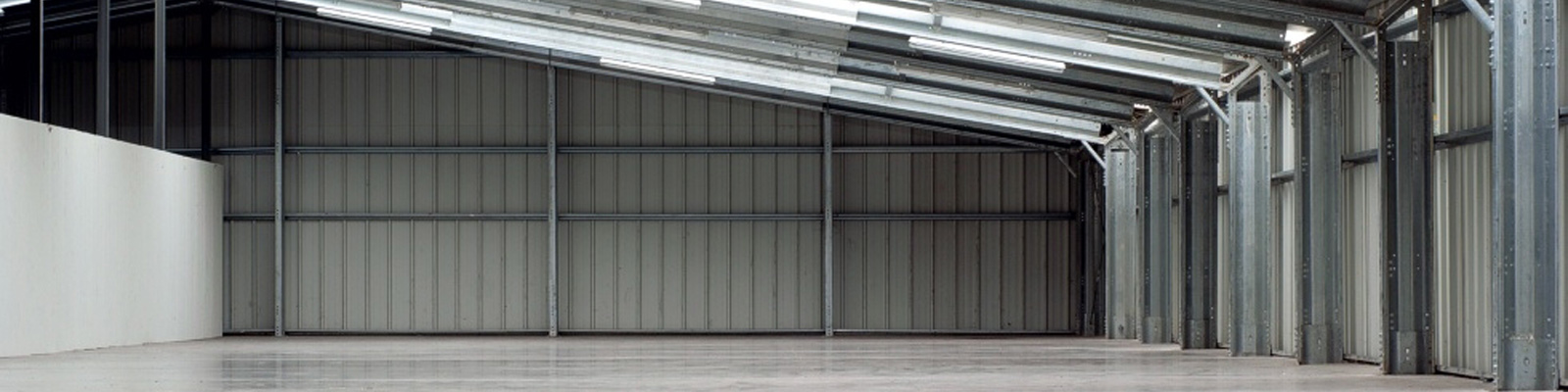
A building’s outer skin takes constant punishment from sun, rain, and wind. Architectural metal cladding stands up to that punishment while giving a structure a clean, modern face that lasts.
What Sets Metal Cladding Apart From Other Options
Many building owners default to older materials out of habit, not because they perform best. Metal panels bring a mix of strength, style, and low upkeep that older options simply cannot match.
A few traits that set metal apart:
- Panels resist cracking, chipping, and fading far longer than paint or stucco
- Metal sheds water fast, cutting down on moisture soaking into walls
- Panels arrive pre-finished, skipping the need for repeat paint jobs
- Light weight means less stress on the building frame during install
Together, these traits make metal a smart pick for owners who want a building to look sharp for decades, not just a few seasons.
How Cladding Protects the Building Underneath
Cladding does more than dress up a wall. It acts as a shield, blocking water, wind, and sun from reaching the structure hiding behind it.
Without a strong outer layer, buildings face slow, hidden damage:
- Water seeping behind old siding, causing rot in wood framing
- Sun breaking down paint and cheaper materials over time
- Wind driving debris into weak spots on the wall surface
- Temperature swings causing materials to crack or warp
A well-fitted metal system closes off these entry points, keeping the frame behind it dry and sound for years.
Style Options That Fit Any Project
Metal cladding no longer means plain, flat sheets bolted to a wall. Today’s panels come in shapes, colors, and finishes that fit almost any design goal.
Common style choices include:
- Standing seam panels for a clean, vertical line
- Flat or corrugated sheets for a more industrial feel
- Wood-look finishes that mimic natural grain without the upkeep
- Bold colors or matte tones to match brand or design goals
Mixing panel types across one building can also break up large flat walls and add visual depth without adding real cost.
Where Metal Cladding Works Best
Metal cladding fits a wide range of building types, from small shops to large warehouses. Knowing where it shines helps owners plan smarter from the start.
Good fits for metal cladding include:
- Commercial storefronts wanting a sharp, modern face
- Warehouses and industrial buildings needing tough, low-upkeep walls
- Agricultural buildings exposed to heavy weather year-round
- Additions or renovations where matching old materials is hard
In each case, metal offers strength without adding heavy upkeep costs down the road.
Installation Considerations Worth Knowing
Getting the most out of metal cladding starts with a careful install. Panels need proper support, spacing, and sealing to perform as designed.
Key points during install include:
- Framing checked for level and square before panels go up
- Fasteners placed correctly to allow for slight material movement
- Seams and joints sealed fully against water entry
- Flashing added at corners, windows, and roof lines
Skipping any of these steps can lead to leaks or loose panels down the road, even with top-grade material.
Upkeep That Barely Feels Like Work
One of the biggest draws of metal cladding is how little care it needs once installed. Compared to painted siding or stucco, upkeep drops sharply.
Basic care tasks include:
- A rinse with water once or twice a year to clear dust and grime
- A quick check of seams and fasteners after major storms
- Touch-up on any scratched finish, though this is rarely needed
- Clearing debris from base panels near ground level
This low-effort care schedule frees up time and budget that would otherwise go toward repeat painting or patch jobs.
Cost Compared To Long-Term Value
Metal cladding often costs more upfront than basic siding options. That gap in price closes over time, since fewer repairs and repaints are needed across the life of the building.
Owners planning to hold a property for many years often find the math favors metal. Lower upkeep costs and longer material life both add up to real savings down the road.
If your building’s outer walls need a refresh that lasts, metal cladding offers strength without heavy upkeep. Eco-Insulated Panels supplies durable, well-finished panel systems built for tough daily use. Reach out to Eco-Insulated Panels to plan a cladding system that fits your project and budget.