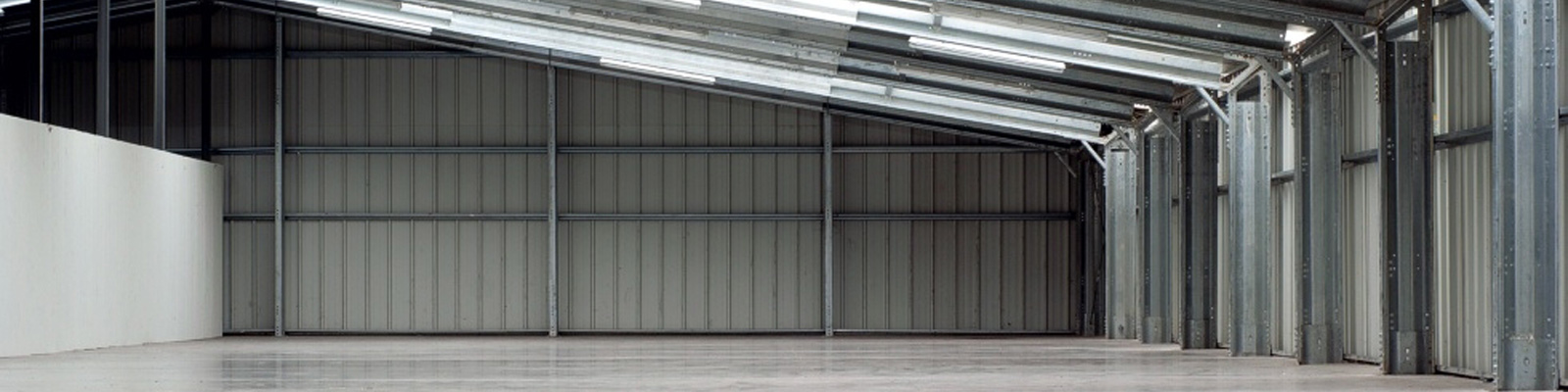
Why Does Condensation Form Behind Metal Cladding?

Metal cladding can hide moisture trouble until rust, stains, mold, or soft wall parts appear. Wall condensation often forms when warm, damp air reaches a cold surface inside the wall, or when rain gets past the cladding and has no path to drain or dry.

Know the Two Main Moisture Paths

Most hidden moisture comes from two paths: air that leaks from indoors into a cold wall, or rain that moves past the outer cladding. Each path needs a different fix, so do not assume all damp walls have the same cause.

Air leaks can carry much more moisture than slow vapor flow through sound wall parts. Rain can also pass through joints, gaps, or poor flash work during wind-driven storms. Finding the water path comes before picking a repair.

A full wall review should look at the cladding, seams, flash work, air layer, insulation, and inner wall. A stain on one face may start far from the spot where it appears.

Warm Indoor Air Meets a Cold Surface

Wall condensation can form when indoor air leaks through gaps and hits a cold surface inside the wall. In winter, that cold spot may sit near the outer sheathing, a metal girt, a fastener, or the back of the cladding.

The air cools as it moves outward. Once it reaches its dew point, it can leave water on the cold surface. This may lead to damp insulation, rust, mold, or decay in nearby wood parts.

Air leaks can cause more harm than vapor flow alone. Gaps at panel joints, pipe runs, doors, windows, and roof-to-wall links deserve close review.

Rain Gets Past the Outer Skin

Metal cladding sheds most rain, but no outer skin should be treated as the only line of defense. Wind can push rain at joints, laps, corners, and cut edges. A sound wall plan gives that small amount of water a way to drain and dry.

Flash work plays a big role. It should guide water down and out, not trap it on ledges or send it toward a weak joint. Sealant and fasteners must also suit the panel type and site use.

Watch for these clues:

  • Rust near fasteners or lower wall edges
  • Wet spots after storms
  • Stains below windows or roof lines
  • Loose sealant at joints and trim
  • Dark marks on inner wall faces

A repeat stain after rain may point to a water shed fault. Do not just add more sealant; first find where water enters and where it should exit.

Thermal Bridges Make Cold Spots

A thermal bridge is a part that lets heat move through the wall faster than the insulated areas around it. Steel girts, metal studs, bolts, slab edges, and some frame links can all form these heat paths.

In winter, a bridge can cool a small part of the wall below the dew point. Moisture may then form at that cold patch even when most of the wall stays dry. Over time, that can lead to local rust, damp marks, and loss of thermal value.

Cold spots often show up at joints and links. A thermal scan can help find them, yet a skilled site review may spot likely paths from the wall plan and the way the panels join.

Gaps at Openings Let Moisture In

Doors, windows, vents, pipes, and service lines all break up a wall. Each one needs sound flash work, seal work, and a path for water to drain. A small gap near an opening may lead to a much larger wet area inside the wall.

Do not treat sealant as the only defense. Sealant can age, crack, or pull away as the wall moves. Good detail work uses layers that shed water and guide it out.

Review these high-risk spots:

  • Window heads and sills
  • Door frames and low thresholds
  • Wall-to-roof links
  • Pipe and cable holes
  • Panel corners and end laps

Openings need planned water control, not quick patch work. A repair should link back into the wall’s full rain and air plan.

Why Insulated Panels Can Help

Insulated metal panels join outer metal skins with a built-in core. This can cut the number of separate wall layers that must be set on site. When the panels, joints, fasteners, and trim are picked and fit well, they can support a more even thermal layer and limit many weak spots found in pieced-together walls.

Eco-Insulated Panels offers wall panels with mineral wool or closed-cell EPS cores. Their wall panels serve as exterior cladding and are made for steel frames, pole barns, and masonry walls. The panel system still needs exact fit and sound joint work.

Use the company’s wall panel page to review panel sizes and options. Its installation guide also covers panel support, fasteners, sealants, joints, and flash work.

If your wall has rust, stains, frost, or damp spots behind metal cladding, talk with Eco-Insulated Panels before the issue spreads. Their team can help you review panel options for a new build or retrofit, with core types, panel sizes, and trim needs in mind. Share photos, wall plans, and notes on when the damp spots appear. Contact Eco-Insulated Panels to plan a wall system built for warmth, drainage, and dry service.
Build Smarter Spaces With Durable Exterior Cladding

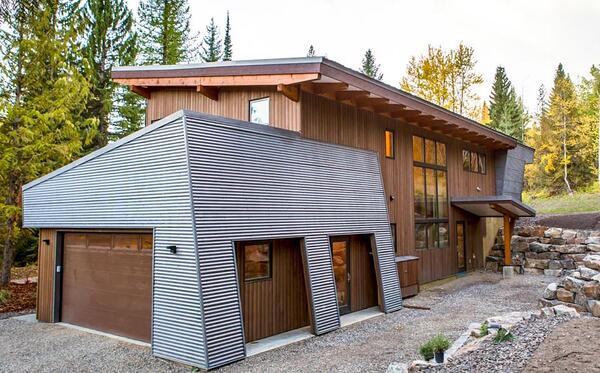
A building’s outer skin takes constant punishment from sun, rain, and wind. Architectural metal cladding stands up to that punishment while giving a structure a clean, modern face that lasts.

What Sets Metal Cladding Apart From Other Options

Many building owners default to older materials out of habit, not because they perform best. Metal panels bring a mix of strength, style, and low upkeep that older options simply cannot match.

A few traits that set metal apart:

  • Panels resist cracking, chipping, and fading far longer than paint or stucco
  • Metal sheds water fast, cutting down on moisture soaking into walls
  • Panels arrive pre-finished, skipping the need for repeat paint jobs
  • Light weight means less stress on the building frame during install

Together, these traits make metal a smart pick for owners who want a building to look sharp for decades, not just a few seasons.

How Cladding Protects the Building Underneath

Cladding does more than dress up a wall. It acts as a shield, blocking water, wind, and sun from reaching the structure hiding behind it.

Without a strong outer layer, buildings face slow, hidden damage:

  • Water seeping behind old siding, causing rot in wood framing
  • Sun breaking down paint and cheaper materials over time
  • Wind driving debris into weak spots on the wall surface
  • Temperature swings causing materials to crack or warp

A well-fitted metal system closes off these entry points, keeping the frame behind it dry and sound for years.

Style Options That Fit Any Project

Metal cladding no longer means plain, flat sheets bolted to a wall. Today’s panels come in shapes, colors, and finishes that fit almost any design goal.

Common style choices include:

  • Standing seam panels for a clean, vertical line
  • Flat or corrugated sheets for a more industrial feel
  • Wood-look finishes that mimic natural grain without the upkeep
  • Bold colors or matte tones to match brand or design goals

Mixing panel types across one building can also break up large flat walls and add visual depth without adding real cost.

Where Metal Cladding Works Best

Metal cladding fits a wide range of building types, from small shops to large warehouses. Knowing where it shines helps owners plan smarter from the start.

Good fits for metal cladding include:

  • Commercial storefronts wanting a sharp, modern face
  • Warehouses and industrial buildings needing tough, low-upkeep walls
  • Agricultural buildings exposed to heavy weather year-round
  • Additions or renovations where matching old materials is hard

In each case, metal offers strength without adding heavy upkeep costs down the road.

Installation Considerations Worth Knowing

Getting the most out of metal cladding starts with a careful install. Panels need proper support, spacing, and sealing to perform as designed.

Key points during install include:

  • Framing checked for level and square before panels go up
  • Fasteners placed correctly to allow for slight material movement
  • Seams and joints sealed fully against water entry
  • Flashing added at corners, windows, and roof lines

Skipping any of these steps can lead to leaks or loose panels down the road, even with top-grade material.

Upkeep That Barely Feels Like Work

One of the biggest draws of metal cladding is how little care it needs once installed. Compared to painted siding or stucco, upkeep drops sharply.

Basic care tasks include:

  • A rinse with water once or twice a year to clear dust and grime
  • A quick check of seams and fasteners after major storms
  • Touch-up on any scratched finish, though this is rarely needed
  • Clearing debris from base panels near ground level

This low-effort care schedule frees up time and budget that would otherwise go toward repeat painting or patch jobs.

Cost Compared To Long-Term Value

Metal cladding often costs more upfront than basic siding options. That gap in price closes over time, since fewer repairs and repaints are needed across the life of the building.

Owners planning to hold a property for many years often find the math favors metal. Lower upkeep costs and longer material life both add up to real savings down the road.

If your building’s outer walls need a refresh that lasts, metal cladding offers strength without heavy upkeep. Eco-Insulated Panels supplies durable, well-finished panel systems built for tough daily use. Reach out to Eco-Insulated Panels to plan a cladding system that fits your project and budget.

Build Faster With Panels That Lock In Comfort

When a build needs speed, steady comfort, and less waste, the right wall system can make a big change. metal panels help crews move fast while keeping heat in and cold out during Toronto and GTA work.

Faster Starts, Cleaner Jobs

Spring builds in Ontario often face short work windows and rough weather shifts. Metal panels help teams frame and close in a site with less delay than many older methods. That can trim site mess and cut the need for extra steps.

This also helps on jobs with tight access or busy streets. metal panels arrive ready for use, so crews can spend more time on fit and finish. That can help keep the whole plan on track.

Comfort That Holds

A strong panel system does more than speed up work. It also helps keep indoor spaces more steady in wet spring days and cool nights across the GTA. That can matter for shops, homes, and light industrial sites.

When walls seal well, heat loss can drop and drafts can fade. metal panels help form a firm shell that fits well in new builds and add-on work. That can support a more even indoor feel through the season.

Where They Fit Best

Metal panels work well in many Toronto and Ontario jobs. They fit new homes, room adds, and small business spaces that need quick close-in work. They can also suit builds that aim for a neat, clean look.

They can be a strong pick when the team wants speed and a tight build shell. For some jobs, they can also help lower strain on the rest of the build plan. That can free up time for trim, finish, and final checks.

What To Watch

A panel system works best when the plan comes first. Crews need good site prep, clear sizes, and skilled setup. Bad prep can slow the job and cut the gain.

  • Check panel size early.
  • Plan window and door spots.
  • Match the system to the build use.
  • Use a team with direct panel know-how.

When those steps line up, metal panels can do a lot of work with less fuss. They help keep the build neat and can make later steps move more smooth.

Spring Use In The GTA

Spring in Toronto can bring rain, damp air, and quick temp swings. That makes a tight shell more useful on active job sites. Metal panels help keep the core of the build more even while crews work on the rest.

They can also help with long-term use after the job wraps. A well fit shell can support steadier heat use and a more calm indoor space. For many owners, that can add real day-to-day value.

Why This Choice Works

This kind of panel system suits buyers who want a faster path from frame to finish. It also fits projects that need neat lines and a firm build shell. That mix makes it a strong fit for many Toronto and GTA jobs in spring.

For more on this type of build, see Eco-Insulated Panels and their panel guide. Eco-Insulated Panels can help you map the right plan for your site and get your next build moving with less delay.

Are Metal Panels the Key to Modernizing Your Space?

Metal panels have emerged as a dynamic and versatile option for modernizing living spaces. Whether renovating a home or revamping a commercial setting, sleek and stylish metal roof panels and metal panels offer many benefits. Delve into the world of interior metal panels and uncover how they can transform your space with a contemporary edge.

Aesthetics and Versatility

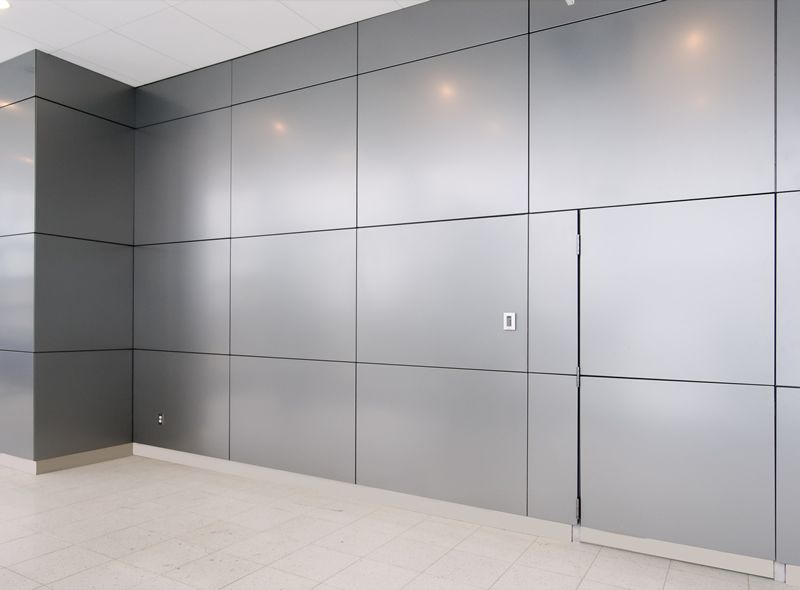
Metal panels are renowned for their sleek and sophisticated appearance, instantly adding a touch of modernity to any environment. Available in various finishes, such as brushed aluminum, stainless steel, or copper, these metal panels effortlessly complement a range of styles, from minimalist to industrial. Metal roof panels have gained popularity, as well. 

Their versatility extends beyond visual appeal. Metal panels can be customized in size, shape, and pattern, allowing for unique and personalized design elements. Whether used as wall coverings, room dividers, or even ceiling accents, these panels offer endless possibilities to create a distinctive look that reflects your style.

Durability and Maintenance 

One of the critical advantages of metal panels is their exceptional durability. Constructed from robust materials like aluminum, steel, or zinc, they are resistant to wear and tear, making them suitable for high-traffic areas or spaces prone to moisture, such as kitchens and bathrooms. Metal panels also resist fire, mould, and pests, ensuring long-term structural integrity.

Additionally, maintenance requirements are minimal with metal panels. They are easy to clean and maintain their appearance over time. Unlike painted walls, metal panels do not require regular repainting and can be wiped clean with a damp cloth or mild cleaning solution. This makes them a practical choice for busy households or commercial settings where time and upkeep are crucial considerations.

Energy Efficiency and Sustainability 

Metal panels offer energy-efficient properties that contribute to sustainable design. These panels can be integrated with insulation materials, improving thermal performance and reducing heat loss or gain. By providing a barrier against external elements, metal panels help maintain a comfortable indoor environment and reduce energy consumption, decreasing heating and cooling costs.

Furthermore, metal panels are eco-friendly options. Many metal panels are made from recycled materials, reducing the demand for virgin resources and minimizing waste. They are also recyclable at the end of their lifecycle, promoting sustainability and reducing environmental impact.

Call Eco-Insulated Panels Today

Metal panels have undoubtedly become popular for modernizing spaces thanks to their aesthetic appeal, durability, low maintenance requirements, and sustainable attributes. Whether used in residential or commercial settings, these panels offer a contemporary edge while providing practical benefits. 

To revitalize your space with a modern twist, consider incorporating metal panels to achieve a stylish and sustainable transformation. Contact Eco-Insulated Metal Panels today. Our seasoned team will happily help you find the perfect design for your home or business. Call us today. We can’t wait to hear from you!

Home Design Using Insulated Metal Panels

Home design has progressed. In the past, architects and designers had little say in the production of building materials. But now, designers, architects, and homeowners are more mindful of the effects their construction materials create. That is why insulated metal panels (IMPs) are gaining ground in the building industry. IMPs are cost-effective, sustainable, environment-friendly and capable of standing the test of time. So how do you best design a home using IMPs?

Consider The Style

Available in a variety of colors and profile shapes, IMPs are able to meet a wide range of varying design preferences. IMPs even boast a multitude of finishes resembling traditional construction materials, such as precast concrete, stucco, masonry and more. When designing your home, consider how you want the facade to look, and how you can integrate metal panels into that facade.

Consider Insulation Requirements

When it comes to home design using insulated metal panels, you may also want to mix in some single skin metal panels for aesthetic purposes. This gives you greater control over where insulation is needed, and avoids spending money on IMPs where a single skin may be more suitable. 

Consider Durability 

The facings of IMPs already function as finished surfaces, while at the same time, provide air, weather, thermal and vapor protection for exterior walls. They also require far less load bearing than traditional building materials. Meaning when you design your home using IMPs, you can design an open floor plan that needs far less materials.

More Than Just A Wall

Insulated metal panels can be used as exterior cladding, roofing, and even flooring! Meaning all these areas of your home or building can be constructed quickly and more efficiently than traditional building materials. IMPs can even be designed with the ability for utilities to run through them, meaning no drilling!

There’s no doubt, insulated metal panels are the future of building construction and design. If you want an IMP system for your own home, feel free to get in touch with us. Our qualified team of professionals would be happy to help you along the way! Contact us today at 1.855.838.9393 or info@ecoinsulatedpanels.com.

Using Metal Panels Outside of Roofing

The material that has been taking the construction industry by storm! Metal panels have become quite the buzzword lately – especially in farmhouse and industrial style buildings. Coveted for their strength, versatility, and energy efficiency, metal panels are being used more and more as an alternative building material. Forget asphalt shingle roofs and plaster drywalls. Metal panels can be used for both! And oh so much more:

Metal Moulding

Used for more than roofing, metal panels also make excellent fifth walls! You can use metal panels to create an industrial style ceiling, or along the edges of the ceiling and wall for contrast. You can even use metal panels to create focal points over lighting fixtures or delineating spaces in buildings with open floor plans. Add strips of LED lighting for extra pizazz.

Metal Accent Wall

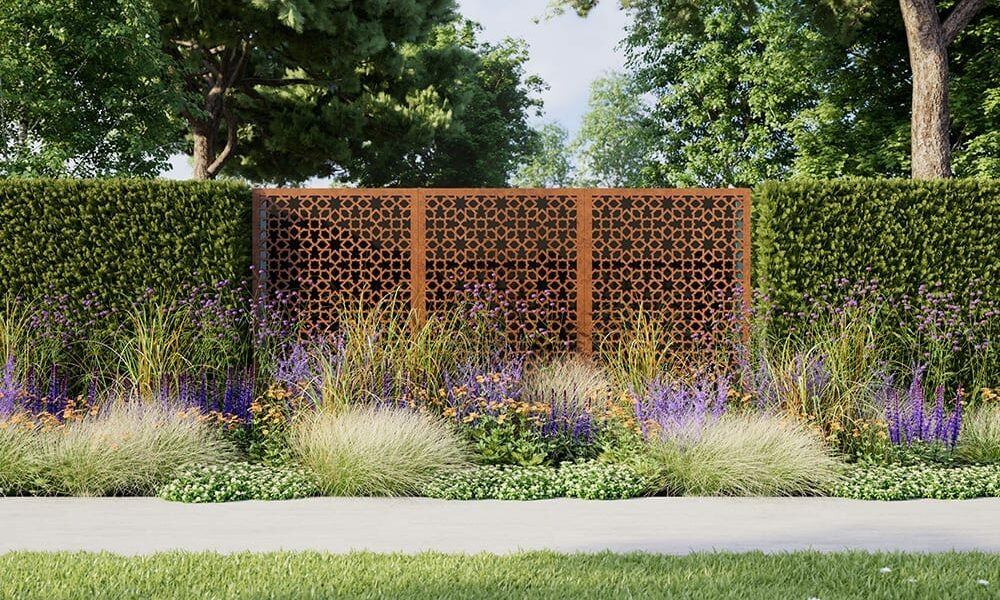
What better way to create contrast or texture than with a metal panel? These panels can be used to create backdrops in gardens or other outer areas of a structure. While colorful panels can be used to add pops of color in open spaces. Coming in a variety of styles and finishes, some panels can even be used to mimic other materials, such as wood.

Metal Wainscoting

Nothing adds a modern touch quite like metal wainscoting! This interior accent has become increasingly popular in commercial and restaurant spaces, especially those in more heavily developed towns. When used in small spaces, this design technique can make the room appear larger than it is.

Paneled Kitchen Island

Islands already make a statement. Make a bigger one by using textured or sleek metal panels along your kitchen island! They can even be used in commercial kitchen applications due to their impermeable surface. Other interior applications using metal panels could be a kitchen or bathroom backsplash, or metal cabinetry.

While these are just a few ideas, the true possibility of metal panels are endless! If you can dream it up, a metal panel can likely make it happen. Are you ready to utilize metal panels in unique and exciting ways within your building? Contact our team today to learn more. We will be happy to answer any of your questions at info@ecoinsulatedpanels.com or 1.855.838.9393.

Types of Metal Wall Panels

Metal wall panels are one of the most impactful revolutions in the use of architecture today. These panels bring a plethora of benefits, including longevity, weather resistance, and ease of installation. Metal wall panels also possess a high level of design freedom, coming in a variety of styles that bring their own individual benefits. Today we will take a look at some of the available types of metal wall panel systems.

Single Skin Metal

Single Skin Panels are one of the most popular systems in construction for a metal wall. These inexpensive panels come in a wide selection of profiles and design, including concealed or exposed fasteners. Concealed systems provide a clean, modern aesthetic. While the more inexpensive exposed system can be installed quicker. That being said, continuous insulation products must be added to both options to provide thermal protection.

Insulated Metal Panels

Insulated metal panels are known for providing exceptional insulation. These panels streamline the installation process and save money because their interior and exterior faces both act as a finished surface. Their foam cores are responsible for their insulating properties, and IMPs have been used in hospitals, airports, stadiums, and more!

Plate Panels

Plate Panels are one of the most versatile, functional, and high performing systems available. These panels can be manipulated to create one of a kind buildings by manipulating curves, tapers, depths, and more. Plate panels are also highly impact resistant and durable compared to some of the other available systems.

Metal Faced Composite Panels

Metal faced composite panels feature two thin metal sheets attached to a thermoplastic core. While similar to IMPs, metal faced composite panels provide no thermal insulation. They are also not as resistant to impact as plate panels. However, they are a more cost effective solution to alternative panels.

All metal panels boast a wide range of applications and can achieve a number of aesthetic styles. The deciding factor for which panel system to choose will ultimately come down to your requirements and budget. For more information on metal panel systems, contact our qualified team of professionals at 519-451-7663 or info@ecoinsulatedpanels.com.

Top Advantages of Metal Wall Panels

Metal walls, most often used in commercial construction, are quickly finding unique uses in residential construction as well. This is because they offer an abundance of design capabilities, as well as providing a sustainable barrier to the natural elements. In this article we will take a closer look at metal wall panels, and the many different advantages they offer.

DIVERSITY

Metal wall panels provide a unique and modern aesthetic to the exterior or interior of any building. Metal wall panels can also be customized to any shape or width, color or finish, and can be curved or bent. Their limitless ability to be shaped into different patterns makes creating whatever desired aesthetic you want achievable. 

WITHSTANDS THE ELEMENTS

Metal wall panels are strong! They can help in the event of a fire by acting as a barrier to prevent the fire from spreading and by insulating the affected area. Metal wall panels also act as a barrier to the rain, preventing water leaking to other building materials and subjecting them to mold or decay. Their durability and varying levels of hardness can also stand up to elements such as wind or hail.

ECO FRIENDLY

We’ve said it once and we will say it again – metal walls are super sustainable! This eco-friendly material reduces the stress on earth’s resources, is 100% recyclable, and is great for improving the energy efficiency of your home or business.

AFFORDABLE

Metal wall panels can typically be installed more easily and quickly than their brick or granite counterparts. Metal panels are also lighter, requiring far less support from the overall structure, thus lessening construction costs. Maintaining your metal wall panels is also relatively simple as they keep their durability and color for decades.

So there you have it! Metal wall panels are not only good for the Earth, but they offer affordability, time-proven performance, and endless diverse aesthetic options. These advantages of metal wall panels make them a great decision for any home or business owner to use in the construction or renovation of their building. If you are ready to upgrade the paneling in your home or business, contact our experts at 855.838.9393 or info@ecoinsulatedpanels.com.

Metal Roofing Facts & Myths 2020

Metal roofing remains the number one choice in green construction in the 21st century. Why? Durability, long-lasting, and versatile, metal roofs protect residential, commercial, agricultural, and industrial buildings for decades. These insulated panels provide superior performance and energy efficiency. What are the top myths of metal roofs?

MYTH: Metal Roofs Rust

Historically, metal roofs were the inexpensive option for industrious business owners, farmers, and homeowners during depressed economic times. In fact, old metal roofs, often zinc-based, rusted quickly. However, because the materials did not cost much and were even free, people did what they could to protect their homes, barns, and businesses. Today’s metal roofs and insulated panels have innovative protective coatings, paint, and technology that prevents rusting. Don’t worry about corrosion or moisture with metal roofs.

MYTH: Metal Roofs Are Noisy

Once again, metal roofs today are not the metal roofs of a century ago. Today excellent insulation and construction makes the metal roof no noisier than other roof options. Talk with our experts at Eco-Insulated Panels about how you can reduce any noise concerns. We will be happy to help you.

MYTH: Metal Roofs Cost Too Much

When you compare initial roof installation costs between low quality asphalt roofing and metal roofs, there is a difference in price. However, your asphalt roof will need to be replaced every decade or so, especially if you live in an area with harsh winters, heavy precipitation, and wind. Metal roofs last for fifty years or more with little maintenance. You save up to 45% in energy costs. Additionally, a metal roof increases your home value by at least ten percent. Enjoy additional insurance and tax benefits, too. When you add all this together, metal roofing makes the most sense (and cents) over the course of its lifetime.

MYTH: Metal Roofs Look the Same

Metal roofs today have versatility and flexibility. No matter what style of home or building, we can help you find the perfect style and color for you. With so many incredible options, you will find the perfect option for you every time. Our designers can show you our incredible choices at your first consultation.

Call the experts at Eco-Insulated Panels. We will find the right roofing solution for you every time. When you need the best in green construction, energy savings, and price, call us. Contact us today.

Top 20 Reasons Homeowners Choose a Metal Roof

Elegant style, fireproof, energy efficient, and durable, metal roofing has found popularity in the 21st century. Whether using metal shingles for your home, metal roof standing seam for a business, or insulated metal panels for industrial use, metal construction has distinct benefits that save you money.

Why Choose a Metal Roof?

Today’s savvy homeowner knows that the key to long-term durability and energy efficiency is through metal construction. For example, you can install a metal roof standing seam design quickly and affordably. With a trusted contractor at the helm of the project, your new roof can last over a century or more!

Top 20 Reasons to Buy a Metal Roof

Discover the top ten reasons homeowners absolutely love metal roofing! If you have any questions about these incredible benefits, feel free to give us a call. We can address any of your concerns.

  1. Energy efficient
  2. Versatile styles and design
  3. Can be installed over old Roof
  4. Recyclable
  5. Fireproof
  6. Termite-Proof
  7. Mold-Proof
  8. Superior Insulation
  9. Ready for Solar Panels
  10. Designs fit with any home aesthetic
  11. Interlocking panels for more strength and durability
  12. Wind Resistance
  13. Keep your home temperature even
  14. Low weight
  15. Wide range of colors and styles
  16. Warranty included
  17. Additional coating options for more energy efficiency
  18. No-clog flashing available
  19. Weather tightness
  20. Lasts at least fifty years with low maintenance

Call the Professionals

Excited to find out more about this energy efficient roofing option? Call our trained professionals at Eco-Insulated Panels. Our trusted staff will be happy to answer any of your questions as you consider choosing a new roof for your home. The benefits of metal construction outlast the competition. Buildings of the future use metal.

Call our trusted staff today. We are ready to help you. Contact us.