
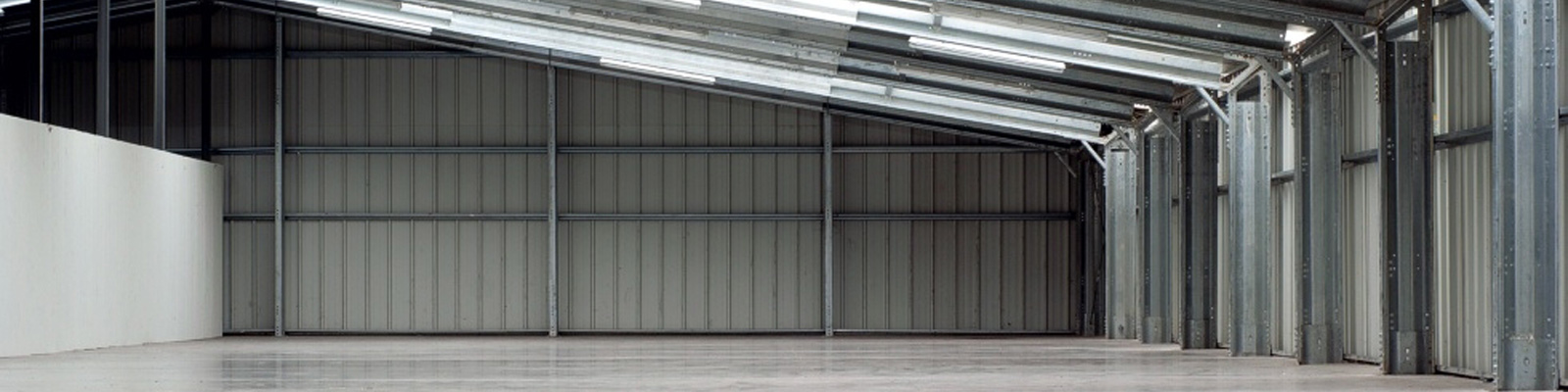
Factory Walls Freezing? Industrial Insulation Facts

When exterior walls in a plant or warehouse feel icy to the touch, it’s more than a comfort problem. Winter industrial insulation upgrade planning often reveals energy waste, condensation risk, and uneven temperatures harming processes. Colder surfaces can drive up heating costs, create worker discomfort, and stress equipment. Addressing the building envelope directly delivers long-term, structural improvements.

Industrial buildings frequently feature large wall areas, high ceilings, and metal cladding that loses heat quickly. Over time, original insulation may settle, compress, or be damaged by moisture or mechanical impacts.

Gaps, thermal bridges, and uninsulated penetrations allow heat to escape and cold to infiltrate. A focused look at insulation performance helps you prioritize industrial insulation investments that pay off.

Why Factories Feel So Cold in Winter

High-volume spaces require significant energy to heat, and any weakness in the envelope magnifies losses. Metal skins and minimal wall assemblies conduct heat out rapidly, especially near structural members. Large doors for shipping and receiving also introduce repeated blasts of cold air.

Air stratification compounds the issue: warm air rises toward the ceiling, while workers at floor level experience drafts and low temperatures. Poorly insulated walls accelerate this layering effect.

Step 1: Assess Existing Insulation and Envelope

Begin with a visual inspection inside and out. Look for:

  • Exposed or damaged insulation
  • Rust, staining, or signs of moisture intrusion
  • Gaps around penetrations, conduits, and pipe chases

If possible, use temperature readings or thermal imaging to identify cold spots along walls and junctions. These tools reveal hidden weak points, such as compressed batts or missing sections behind panels.

Step 2: Identify High-Impact Upgrade Zones

Not every wall segment contributes equally to discomfort and loss. Focus on:

  • Areas near workstations or production lines
  • Zones around large doors and loading docks
  • Sections where condensation or frost appears

Upgrading insulation in these targeted locations can quickly improve perceived comfort and reduce localized energy waste.

Step 3: Consider Building Insulation for Industrial Settings

Common strategies include:

  • Adding insulated metal panels over existing skins
  • Injecting or blowing insulation into wall cavities
  • Installing interior insulated liners or blanket systems

Each approach has trade-offs in cost, disruption, and performance. Industrial-grade materials must also withstand impacts, vibration, and environmental conditions unique to each facility.

Step 4: Address Thermal Bridges and Air Leaks

Structural steel, concrete columns, and metal girts can create thermal bridges that bypass insulation. Solutions may involve exterior insulation layers or specially designed thermal breaks. Sealing air leaks at junctions, seams, and penetrations further reduces drafts and uncontrolled heat exchange.

Combining better insulation with improved air sealing often yields superior results compared to either measure alone.

Step 5: Integrate Upgrades With HVAC Strategy

Improved wall performance changes how your heating system behaves. Warmer interior surfaces reduce radiant chill, potentially allowing setpoints to be lowered while maintaining comfort. Work with your mechanical team to recalibrate airflow patterns and temperature settings after envelope improvements.

Better insulation also helps support any future investments in high-efficiency equipment, ensuring that generated heat stays inside longer.

Step 6: Factor in Worker Comfort and Productivity

Beyond energy metrics, more stable interior temperatures can reduce absenteeism, errors, and fatigue among staff. When people no longer contend with cold drafts or icy walls, they can focus more fully on tasks. This human factor often reinforces the financial case for upgrades.

Clear communication about planned improvements also shows employees that their working conditions matter, supporting morale.

Turn Cold Walls Into a Strategic Win

Freezing factory walls signal deeper inefficiencies that you don’t have to accept as inevitable. By assessing insulation, sealing leaks, and targeting high-impact zones, you can create a more efficient, comfortable industrial environment. If your facility is ready for a structured envelope review, coordinate an assessment and call us.

Roof Snow Tonnage: Calculate Yours Before Collapse

Heavy snow looks picturesque from the ground, but on a roof it can become a serious structural burden. Winter snow load calculation helps you understand how much weight your roof may be carrying after storms. When accumulation exceeds design assumptions, the risk of damage or collapse increases, especially on flatter structures. Knowing how to estimate loads guides safer decisions about removal and monitoring.

Snow weight on a roof depends on depth, density, and whether layers have compacted or turned crusty. Wet or partially melted snow can weigh far more than light, fluffy drifts of the same depth. Wind distribution, drifting patterns, and roof shape further complicate the picture. A simplified approach can still give you a useful, ballpark perspective.

3 Factors That Influence Snow Weight

Three main elements determine how heavy the snowpack really is:

  • Depth: How many inches or feet of snow are present
  • Density: How much water content per volume of snow
  • Roof shape: Flat, low-slope, or steep pitches that shed snow

Over time, light snow compresses under its own weight and may absorb meltwater, boosting density and total load even without new accumulation.

Step 1: Measure Snow Depth in Several Spots

Work with a professional to avoid any danger to yourself. Measure depth in multiple locations: near the center, near edges, and in suspected drift zones. Avoid walking on the roof if conditions are uncertain or unsafe. Average your readings to estimate a representative depth, noting any significantly deeper drifts that might create localized overloads.

Step 2: Understand Rough Density Ranges

Snow density varies widely, but very generalized ranges often used in educational resources look like this:

  • Fresh, dry snow: relatively light per cubic foot
  • Settled or packed snow: heavier per cubic foot
  • Wet snow or ice layers: heavier still per cubic foot

While you may not know exact density, recognizing that older, denser snow weighs more helps you interpret depth measurements cautiously.

Step 3: Apply a Simplified Calculation

A simplified approach multiplies average depth (converted to feet) by an estimated weight per cubic foot to approximate pounds per square foot. This does not replace engineering analysis but can inform your sense of risk. When in doubt, assume a higher weight category if the snow feels wet or compacted.

Remember that certain codes and design standards specify roof design loads based on local climate. Your building plans or a structural professional can explain what your specific roof was built to handle.

Step 4: Watch for Warning Signs of Overload

Inside the building, look for:

  • New cracks in drywall or plaster
  • Doors and windows that suddenly stick
  • Unusual creaking or popping noises

On the exterior, note any visible sagging, deformed gutters, or unusual roofline waves. These clues may indicate the structure is stressed. If you see such signs, evacuate the area under the affected section and seek professional assessment rather than attempting DIY snow removal.

Step 5: Plan Safe Snow Removal

If removal is warranted, prioritize safety. Use long roof rakes from the ground where possible, and avoid chipping at ice dams in ways that could damage shingles. For large or complex roofs, hiring experienced crews with appropriate equipment is often the safest option.

Never overload a roof by piling removed snow into a single concentrated spot. The goal is to reduce load, not shift it dangerously.

Keep Weight Within Reasonable Limits

Understanding how snow weight accumulates gives you a more rational way to respond to winter storms. A basic calculation, informed by depth and density, can guide decisions about monitoring and removal. If you’re unsure about your building’s design capacity or see troubling signs, consult a structural expert and call.

Stop Wasting Fortunes on Heating Industrial Space 2026

Industrial heating bills cripple Toronto businesses every winter season predictably. Strategic industrial building insulation cuts energy costs by thirty to fifty percent. Warehouses and factories leak heat through massive surface areas constantly. Smart owners invest in efficiency rather than throwing money away.

The Scale Of Industrial Waste

Large buildings magnify every inefficiency dramatically through size alone. Poor industrial building insulation means heating massive volumes of air repeatedly all day. Costs multiply faster than residential properties by significant margins here. Your competition improves efficiency while you fall behind losing money.

Spray Foam Delivers Superior Performance

Closed-cell foam fills every gap creating airtight envelopes completely. R-value per inch exceeds traditional fiberglass significantly for thickness. It adheres permanently to metal preventing thermal bridging issues. Moisture barrier properties protect against condensation problems developing inside. Application takes days, not weeks like other insulation methods.

Roof Insulation Pays Back Fastest

Heat rises, making ceilings your biggest loss area by far. Forty percent of energy escapes through roofs in typical buildings. Adding six inches of insulation cuts this loss dramatically overnight. White reflective coatings reduce summer cooling loads too later. Return on investment often happens within three to five years.

Loading Dock Doors Waste Energy

Install high-speed doors minimizing open time for trucks. Add vinyl strip curtains creating buffer zones effectively. Use inflatable dock seals preventing air infiltration completely. Schedule deliveries grouping them to reduce total open time. Install dock shelters enclosing trucks during unloading operations.

Radiant Heat Targets Workers Directly

Heating entire volumes wastes money warming empty air unnecessarily. Overhead radiant panels warm people and objects below them. Workers feel comfortable while air temps stay lower overall. Energy savings reach thirty percent compared to forced air. Zones heat only active work areas as needed.

Air Curtains Protect Entrances

Powerful fans create invisible barriers at doorways preventing infiltration. They allow easy passage without stopping workflow or causing delays. Models exist for pedestrian and vehicle openings both specifically. Installation pays for itself within two years typically through savings. Worker comfort improves dramatically near entries and loading areas.

Windows And Skylights Need Upgrades

Single-pane glass loses heat faster than insulated walls do. Glazing film adds insulation while reducing glare for workers. Replace old units with modern insulated versions during renovations. Consider window-to-wall ratios when planning new construction projects carefully. Natural light benefits don’t justify excessive heat loss ever.

Heating System Efficiency Matters Too

Old boilers and furnaces waste fuel through inefficiency built-in originally. Modern condensing units extract more heat from same fuel. Programmable controls reduce temps during unoccupied hours automatically overnight. Zone systems heat only areas in use currently saving significantly. Annual maintenance keeps equipment running at peak efficiency always.

Government Rebates Reduce Costs

Federal programs offer grants for energy efficiency upgrades qualifying businesses. Provincial incentives stack on top for even greater savings. Utility companies provide additional rebates for major improvements completed. Energy audits identify opportunities and are often free for businesses. These programs change so check current offerings before starting work.

Calculate Your Potential Savings Now

Review past three years of heating bills for baseline. Identify your cost per square foot monthly for comparison. Get quotes from three insulation contractors for competitive pricing. Request energy modeling showing projected savings from improvements recommended. Factor in rebates when calculating return on investment timelines.

Start Planning Your 2026 Upgrade

Winter reveals exactly where your building loses heat most. Document problem areas with thermal cameras or professional audits. Budget improvements spreading costs across multiple years if needed. Schedule work during slower production periods minimizing disruption caused. Your bottom line improves immediately after completion of work.

Industrial spaces don’t have to drain profits through walls. Modern insulation technology delivers real, measurable returns on investment. Toronto’s harsh winters punish inefficient buildings without mercy yearly. Your facility can run warmer while costing less monthly. Stop accepting high energy bills as unavoidable business costs. Efficiency upgrades protect margins for decades ahead successfully.

Is Your Building Ready For a 2026 Ice Wall?

Ontario buildings face a hidden threat—ice walls that form on weak exteriors. Moisture sneaks in through walls. Winter freezes it. Expansion cracks frame and sheathing. Insulated metal panels Ontario stop this cold.

Why Buildings Fail in Winter

Traditional walls have layers—siding, sheathing, insulation, and drywall. Air gaps between layers trap moisture. Winter freezes it. Ice expands nine percent. This pressure cracks everything.

Ice walls form inside cavities. You can’t see them growing. Spring thaw reveals damage—rot, mold, structural failure.

Older Ontario buildings suffer most. Asbestos insulation, poor vapor barriers, and old construction methods leave gaps. These buildings leak heat and let moisture in.

New buildings follow code but sometimes rush install. Vapor barriers get punctured. Seals aren’t tight. Moisture finds ways in.

The Smart Building Envelope Solution

Insulated metal panels Ontario combine framing, insulation, and weather barrier in one. No gaps. No layers. No hidden spaces.

Panels use steel studs bonded to foam insulation. Some use polyurethane foam for R-values up to R-sixty. Others use expanded polystyrene for R-thirty to R-forty-five.

Steel doesn’t rot. Foam doesn’t absorb water. The system stays dry.

Installation is fast. Panels arrive cut to size. Crews bolt them in place. Framing, insulation, and exterior wrap happen simultaneously. A wall that takes weeks with traditional methods goes up in days.

How Panels Beat Ice Walls

Vapor barriers on panels are continuous. No seams. No punctures. Moisture can’t sneak in.

R-values stay consistent. No settling insulation that reduces performance over time. Energy efficiency never degrades.

Thermal bridging gets eliminated. Steel studs normally create bridges where heat escapes. Panel design stops this. Heat stays inside.

Buildings built with panels last longer. Structural damage doesn’t happen. Mold never starts. Heating bills stay low year after year.

Cost Math That Surprises People

Panels cost more per square foot than traditional walls. About five to eight dollars more.

But labor costs drop big. Traditional walls need framing, insulation, sealing, and finishing—four separate steps. Panels do it in one.

A traditional wall costs three to five hours of labor per thousand square feet. Panels cut it to one hour.​​

Plus, lower energy bills begin immediately. ​

Over ten years? Thousand of dollars in energy savings. Your building paid for itself through reduced bills.

Ontario Examples Leading the Way

Toronto’s tallest passive house uses insulated panels. Harmony Commons, a five-story dorm, features double-layer mineral wool insulation behind metal rainscreen. The design achieved rigorous air-tightness standards.

Residential builders in Hamilton switched to ICE panels—Insulated Composite Envelope panels. These combine expanded polystyrene with steel studs. Projects report air-tight construction on first try. No rework needed.

Commercial projects in Niagara use metal panel systems for fast builds. Warehouses, office buildings, and light industrial structures go up fast. Energy costs run sixty to seventy percent lower than traditional construction.

The 2026 Outlook

More Ontario builders will adopt panels. The new building code makes traditional walls harder to sell. Energy codes tighten more each year.

Homeowners shopping for value will demand panel construction. They’ll get better insulation, faster builds, fewer problems.

Custom home builders already shifted. They know panels mean satisfied clients who never face ice walls, mold, or high bills.

Your Decision

Your building envelope is your biggest defense against Ontario winters. Ice walls silently damage traditional construction. Insulated panels Ontario eliminate this risk.

Upfront costs climb by five hundred to one thousand per thousand square feet. Long-term savings hit five hundred to one thousand annually through energy efficiency.

That’s payback in one to two years. Then twenty to thirty years of zero ice wall risk, zero moisture problems, and consistent comfort.

Buildings that survive fifty years are built with panels or will regret it. Smart builders in 2026 Ontario pick insulated panels.

7 Aluminum Roof Perks Torontonians Rarely Mention

Toronto roofing trends have shifted hard toward metal. But aluminum roofing Toronto gets overlooked for steel options. Folks don’t know the perks. Seven surprising facts about aluminum roofs shock homeowners.

Perk One: Lasts Forty to Sixty Years

Asphalt shingles die after fifteen to twenty years. Wood shakes rot in twelve to twenty. Aluminum roofs laugh at that. Forty years is common. Sixty years is realistic with care.

Toronto’s brutal freeze-thaw cycles kill most roofs. Water seeps in. Freezes. Expands. Cracks form. Aluminum doesn’t rot. It doesn’t absorb moisture.

Over fifty years, you’d replace asphalt three times. Aluminum goes once. Do the math—aluminum saves money long-term.

Perk Two: Reflects Heat Like Nobody’s Business

Aluminum reflects up to ninety-five percent of solar heat. This cuts cooling costs in summer by thirty percent. Toronto’s heat waves hit hard. That reflection matters.

Dark asphalt shingles absorb heat. Your attic turns into an oven. Air conditioners work overtime. Electric bills spike.

Light-colored aluminum sheds heat back to the sky. Attics stay cooler. AC systems don’t strain. Homeowners save fifty to eighty dollars monthly in summer.

Perk Three: Snow Slides Right Off

Toronto gets one hundred twenty-two cm of snow yearly. That weight stresses roofs. Aluminum’s smooth surface sheds snow naturally. No ice dam buildup.

Traditional shingles are rough. Snow sticks. Dams form. Leaks follow. Repairs cost five hundred to two thousand.

Aluminum with proper pitch handles heavy loads. Snow slides off before it can compress. Less stress on framing. No emergency calls mid-blizzard.

Perk Four: Weighs Nothing Compared to Others

Aluminum is forty percent lighter than steel. This matters for older homes. Wood trusses can handle the weight. Foundations don’t need reinforcing.

Asphalt shingles weigh more per square foot than aluminum. Some reroofs need structural upgrades. Aluminum? Drop it right on. No costly bracing.

Installation gets faster too. Less weight means easier handling. Crews finish sooner. Labor costs drop.

Perk Five: Corrosion Resistance Beats Steel

Aluminum forms a protective oxide layer naturally. Salt can’t touch it. Moisture can’t rust it.

Steel needs coatings to resist rust. If the coating cracks, rust spreads. Aluminum’s protection is built-in.

Toronto winters bring salt spray from roads. This corrodes steel and copper. Aluminum handles it like nothing.

Coastal homes in salt zones pick aluminum. Toronto’s road salt environment benefits from aluminum’s corrosion resistance too.

Perk Six: Fire Resistance Protects Your Family

Aluminum is non-combustible. It won’t catch fire. It won’t spread flames.

Wood shakes catch embers and burn. Asphalt shingles soften and ignite. Aluminum stays cool.

This matters for wildfire zones and neighborhoods with fire risk. Toronto doesn’t have huge wildfire risk, but fire-resistant roofs lower insurance premiums. That savings adds up.

Perk Seven: Comes in Any Color You Want

Aluminum accepts paint or coatings easily. Copper tones, dark grays, rustic blacks. You pick the look.

Standard shingles come in limited colors. Aluminum offers limitless options. Match your home’s style exactly.

Color choices hold well too. Finish degrades slower on aluminum than asphalt. Your roof looks fresh for decades.

The Cost Story Nobody Tells

But here’s the thing—aluminum saves cash over fifty years. Fewer replacements. Lower energy bills. Reduced repairs. Insurance savings for fire resistance.

One homeowner spends five grand on shingles, replaces twice, pays two thousand in repairs, and shells out three grand in extra cooling costs over fifty years. That’s ten grand.

Aluminum costs upfront. Zero replacements. Zero major repairs. Aluminum wins.

  • Lasts forty to sixty years versus fifteen to twenty
  • Reflects ninety-five percent of summer heat
  • Sheds snow naturally without ice dams
  • Weighs forty percent less than steel
  • Resists corrosion and salt spray
  • Non-combustible and fire-resistant
  • Available in unlimited colors

Why Toronto Isn’t Talking About This

Steel gets pushed because it’s stronger. Asphalt stays popular because of lower cost upfront. Copper looks fancy but costs triple.

Aluminum sits in the middle—strong like steel, lighter, cheaper than copper, and better than asphalt long-term. It’s the smart play for Toronto.

More homeowners are learning. Metal roofing increased thirty percent in Toronto area last year. Aluminum will keep climbing as folks do the math.

Build Your Dream Space With Design-Build: The Power of Metal Panels

Creating your perfect home takes smart planning and skilled partners. Working with the right team to build your dream space, with design-build leaders and metal roof specialists in the Greater Toronto Area, makes all the difference in your project’s success. The fall season offers ideal conditions for starting major home projects before winter arrives.

Choosing the Right Design-Build Partner

Your project’s success depends on picking smart pros who grasp your vision. Design-build specialists in the GTA combine planning and building services under one roof. This approach cuts down on delays and keeps costs clear from start to finish.

Our seasoned teams at Eco-Insulated Panels handle projects from concept to final walkthrough. This method prevents the usual problems that happen when architects and builders work apart.

Metal Roofing Perks in Toronto Weather

Fall weather in Toronto can be harsh on regular roofing materials. Metal roofs stand up better to snow loads, ice dams, and wind damage. Professional metal roofing companies in Toronto offer steel solutions that last decades longer than standard options.

Your new metal roof will handle Toronto’s climate swings better than other choices. Steel roofs reflect heat in summer and shed snow quickly in winter. They also resist fire and don’t attract pests like wood materials might.

Cost Benefits of Design-Build Projects

Bundling design and build services often saves money compared to hiring separate teams. One contract covers everything from permits to cleanup. This setup also speeds up timelines since no waiting happens between design approval and breaking ground.

Design-build projects in the GTA typically take 16 to 24 months depending on scope and detail. Weather and permit delays can affect timing, but single-source contracts help manage these issues better.

Top Metal Roof Styles for GTA Homes

Several metal roofing types work well in the Greater Toronto Area:

• Stone-coated steel combines metal strength with attractive finishes

• Standing seam panels offer clean lines and superior weather protection

• Metal tiles mimic traditional looks while adding modern durability

• Corrugated sheets provide budget-friendly coverage for larger structures

Each style brings different benefits for your specific project needs and budget limits.

Picking Quality Materials and Suppliers

European suppliers provide some of the best metal roofing products available in Ontario. Quality materials matter more in harsh climates like Toronto’s. Cheap options often fail within a few years and cost more to replace.

Look for suppliers who offer strong warranties on both materials and labor. The best companies back their work for 20 years or longer. This coverage protects your investment and shows the firm’s confidence in its craft.

Planning Your Fall Project Timeline

Starting your project in fall gives several advantages. Contractors often have more time before the busy spring season begins. Material delivery happens faster with fewer competing projects. Your new space will be ready to enjoy by next summer.

Smart planning accounts for weather delays and permit processing time. Custom build specialists understand that homes reflect lifestyle and personal taste. They work with your schedule to minimize disruption to daily routines.

Working With Licensed GTA Contractors

Always verify that your chosen firm holds proper licensing and insurance coverage. Family-run companies like Eco Insulated Panels have served the GTA for years with excellent customer service. Experience in local conditions matters for project success.

Check recent customer reviews and ask for local references. Drive by recent projects to see the quality of finished work. Good contractors welcome these requests and proudly show off their best jobs.

Getting Accurate Project Quotes

Hidden costs often appear in projects with vague contracts. Good firms provide clear breakdowns of labor, materials, permits, and extras. This clarity helps you budget properly and avoid surprise bills later.

Maximize Your Investment Value

Design-build projects that include quality metal roofing add significant value to GTA properties. Energy savings from improved insulation and weather protection can last for decades. Top specialists hand-pick and personally train their installation teams to deliver superior results.

Your new space will become a source of pride and comfort for years to come. Smart material choices and skilled installation create lasting beauty that enhances your daily life while protecting your biggest asset. Contact us today. We have the solutions you need. We will be happy to help you. Call us.

Install Insulated Panels For Energy Savings

Energy costs continue rising, making efficient roofing solutions more important than ever for homeowners. Modern insulated metal roofing panels provide exceptional thermal performance while reducing heating and cooling expenses significantly. These advanced systems combine durability with energy efficiency to deliver long-term value and comfort.

How Insulated Panel Technology Works

Built-in insulation creates a thermal barrier that prevents heat transfer between your home and outdoor temperatures. Quality insulated metal roofing panels feature foam cores sandwiched between metal facings for maximum efficiency. This design eliminates thermal bridging that occurs with traditional roofing and separate insulation layers.

Continuous insulation coverage reduces energy loss through gaps and joints common in other roofing systems. The seamless design prevents air infiltration while maintaining consistent R-values across the entire roof surface. This comprehensive approach delivers superior energy performance compared to conventional roofing materials.

Energy Efficiency Benefits

Insulated panels can reduce energy consumption by 20-40% compared to traditional roofing systems. Lower heating and cooling costs provide immediate monthly savings that continue throughout the roof’s lifetime. These savings often offset the higher initial installation costs within 5-10 years.

Cool roof technology reflects solar radiation while the insulation prevents heat absorption into your home. This dual protection keeps interior temperatures stable during extreme weather conditions. Reduced HVAC system workload extends equipment life while improving indoor comfort levels.

Installation Advantages and Speed

Pre-manufactured panels arrive ready for installation without requiring separate insulation steps. This integrated approach reduces installation time by 30-50% compared to traditional roofing methods. Faster installation means less disruption to your daily routine and lower labor costs.

Lightweight construction puts minimal stress on existing roof structures while providing superior insulation values. Professional installers can complete most residential projects in 2-3 days versus weeks for conventional systems. Weather delays become less problematic due to faster installation schedules.

Structural Performance and Durability

Composite panel construction provides excellent strength-to-weight ratios for wind and snow load resistance. The metal facings protect the insulation core from moisture, pests, and UV damage. This protection maintains insulation performance throughout the panel’s 30-50 year lifespan.

Engineered connections between panels create weatherproof seals that prevent air and water infiltration. These connections maintain structural integrity during thermal expansion and contraction cycles. Quality panels resist deformation and maintain their insulation properties under extreme temperature variations.

Design Flexibility and Appearance

Modern insulated panels come in numerous profiles, colors, and textures to suit any architectural style. Standing seam, corrugated, and architectural profiles provide options for residential and commercial applications. Custom colors and finishes allow perfect coordination with existing building materials.

Concealed fastening systems create clean appearances while improving weather resistance and thermal performance. Some panels mimic traditional materials like slate or tile while providing superior insulation values. These aesthetic options help insulated panels blend seamlessly with neighborhood architectural styles.

Cost Considerations and ROI

Initial costs for insulated panels typically exceed traditional roofing by 15-30% depending on specifications. However, energy savings and reduced maintenance costs provide attractive returns on investment over time. Lower insurance premiums and increased property values further improve the financial benefits.

Utility rebates and tax incentives often apply to energy-efficient roofing improvements in many areas. These programs can significantly reduce net installation costs while improving project economics. Research available incentives before making final purchasing decisions to maximize savings opportunities.

Professional Installation Requirements

Proper installation requires experience with insulated panel systems and specialized fastening techniques. Trained installers understand thermal bridging prevention and proper sealing methods for maximum efficiency. They also know building code requirements specific to insulated roofing systems.

Manufacturer warranties often require certified installer participation to maintain coverage validity. Professional installation documentation supports warranty claims and insurance requirements. Quality contractors provide both material and workmanship warranties for complete project protection.

System Selection Criteria

Consider these factors when choosing insulated metal roofing panels:

• Insulation type and R-value ratings for your climate zone

• Panel profile and architectural compatibility requirements

• Color and finish options for aesthetic coordination

• Warranty coverage on materials and thermal performance

• Fire resistance ratings and building code compliance

• Manufacturer reputation and local dealer support

• Installation complexity and contractor availability

Maintenance and Long-term Performance

Insulated panels require minimal maintenance while providing decades of reliable performance. Annual inspections check for loose fasteners, damaged panels, or debris accumulation that could affect efficiency. Most maintenance involves simple cleaning rather than major repairs or replacements.

Quality panels maintain their insulation properties throughout their lifespan without settling or degrading. The metal facings protect the insulation core from moisture and pest damage that can reduce performance. This durability makes insulated panels excellent long-term investments for energy-conscious homeowners.

Making Your Investment Decision

Calculate potential energy savings based on your current utility costs and local climate conditions. Compare these savings against the additional cost of insulated panels versus traditional roofing options. Most homeowners find that energy savings justify the higher initial investment within 7-12 years.

Consider your long-term housing plans when evaluating insulated panel investments and payback periods. Homeowners planning to stay 10+ years typically see the best returns from energy-efficient roofing upgrades. These systems provide immediate comfort benefits while delivering long-term financial returns.

Upgrade to Durable Metal Roofing Like a Champ

Modern homeowners are discovering the exceptional benefits of metal roofing systems for their long-term property investments. Quality metal roofing Ontario durable installations can last 50-70 years while providing superior weather protection and energy efficiency. These roofing systems withstand harsh Canadian winters, intense summer heat, and severe weather events that damage traditional materials. Smart homeowners choose metal roofing for its combination of durability, style options, and environmental benefits.

Understanding Metal Roofing Material Options

Steel roofing offers excellent strength and affordability while providing decades of reliable weather protection for homes. Aluminum systems resist corrosion naturally and work particularly well in coastal areas where salt exposure threatens other materials. Copper roofing develops an attractive patina over time while lasting over 100 years with minimal maintenance requirements. Each material offers unique benefits that match different budgets, architectural styles, and performance expectations.

Galvanized steel coatings prevent rust formation while keeping costs reasonable for budget-conscious homeowners seeking quality roofing solutions. Stone-coated steel combines metal durability with traditional tile or shingle appearances that satisfy neighborhood aesthetic requirements. Consider your local climate conditions and architectural preferences when selecting the best metal roofing material for your home.

Energy Efficiency Benefits You Can Bank On

Metal roofing reflects solar heat effectively, reducing cooling costs by 10-25% during hot summer months throughout Ontario. Cool roof coatings enhance this reflective capability while maintaining comfortable indoor temperatures without overworking air conditioning systems. These energy savings add up significantly over the roof’s lifespan, often offsetting higher initial installation costs. Winter snow slides off metal surfaces naturally, preventing ice dam formation that damages gutters and causes leaks.

Proper ventilation systems work more effectively with metal roofing, improving overall home energy performance and indoor air quality. Many utility companies offer rebates for energy-efficient roofing materials that meet specific performance standards. Check with your local utility provider about available incentives before starting your roofing project planning process.

Weather Resistance That Protects Your Investment

Metal roofing systems resist wind damage better than traditional materials, with many products rated for winds exceeding 120 mph. Hail resistance protects against denting and damage that commonly affects asphalt shingles and other conventional roofing materials. Fire resistance provides additional safety benefits while potentially reducing homeowner insurance premiums in high-risk areas. These protective qualities make metal roofing particularly valuable in regions experiencing severe weather events.

Lightning strikes pose minimal risk to properly grounded metal roofing systems despite common misconceptions about metal conductivity. Professional installation includes grounding systems that safely direct electrical charges away from your home’s structure and occupants. Quality metal roofing maintains its protective integrity even after decades of exposure to harsh weather conditions.

Installation Process and Timeline Expectations

Professional metal roofing installation typically takes 2-5 days depending on roof size, complexity, and weather conditions during the project. Contractors remove existing roofing materials and inspect the underlying structure for damage that requires repair before installation. Proper underlayment installation provides additional weather protection while ensuring optimal metal roofing system performance for decades. Quality contractors follow manufacturer specifications precisely to maintain warranty coverage and performance guarantees.

Installation timing affects project costs, with off-season scheduling often providing better pricing and contractor availability. Spring and fall offer ideal weather conditions for roofing work while avoiding extreme summer heat and winter challenges. Plan your project well in advance to secure preferred contractors and timing for optimal results.

  • Research local building codes and permit requirements before starting
  • Get multiple quotes from certified metal roofing contractors
  • Check contractor insurance and warranty coverage details carefully
  • Schedule installation during favorable weather conditions when possible
  • Plan for temporary noise disruption during the installation process
  • Consider color choices that complement your home’s architectural style
  • Budget for potential structural repairs discovered during old roof removal
  • Verify proper ventilation system compatibility with new metal roofing

Cost Considerations and Return on Investment

Metal roofing costs 2-3 times more initially than asphalt shingles but provides significantly longer lifespan and lower maintenance expenses. Energy savings and reduced replacement frequency often result in lower total ownership costs over the roof’s lifetime. Home value increases typically range from 1-6% with quality metal roofing installation according to real estate professionals. Insurance premium reductions may be available due to metal roofing’s superior weather resistance and fire protection properties.

Financing options help homeowners manage higher upfront costs while enjoying immediate benefits of improved weather protection and energy efficiency. Some manufacturers offer extended warranties that transfer to new homeowners, adding value for future property sales. Calculate total ownership costs including energy savings when comparing metal roofing to traditional material alternatives.

Maintenance Requirements for Longevity

Annual inspections help identify minor issues before they become expensive repair problems that compromise roofing system integrity. Clean gutters regularly to prevent water backup that can damage roofing edges and underlying structural components. Remove debris like leaves and branches that accumulate in valleys and against roof penetrations throughout the year. These simple maintenance tasks help maximize your metal roofing investment’s lifespan and performance.

Professional maintenance services provide thorough inspections and cleaning that homeowners may not safely perform on steep roofs. Touch-up painting may be needed occasionally on steel roofing systems to maintain appearance and corrosion resistance. Most metal roofing systems require minimal maintenance compared to traditional materials, making them attractive for busy homeowners.

Choosing Qualified Installation Contractors

Select contractors with specific metal roofing experience and manufacturer certifications that guarantee proper installation techniques and warranty coverage. Check references from recent projects and verify insurance coverage that protects you from liability during installation work. Quality contractors provide detailed written estimates that include materials, labor, permits, and cleanup services for transparent pricing. Avoid contractors who demand full payment upfront or pressure you into immediate signing decisions.

Licensed contractors understand local building codes and permit requirements that ensure safe, compliant installations throughout your community. Manufacturer training programs help contractors stay current with evolving installation techniques and product improvements. Interview multiple contractors to compare experience levels, pricing, and communication styles before making your final selection.

How Long Does Metal Roofing Really Last?

Thinking about metal for your next roof? You’re probably wondering if it’s worth the investment. Homeowners often ask me if the higher upfront cost really pays off in the long run. The answer depends on several factors, but most long-lasting metal roof Toronto installations significantly outlive traditional roofing materials.

The Real Lifespan of Metal Roofing

Most asphalt shingle roofs in Toronto need replacement after 15-20 years. Our harsh winters and summer heat take a serious toll on traditional materials.

A long-lasting metal roof Toronto homeowners install today could still be protecting their homes 50+ years from now. Quality metal roofing systems typically last 40-70 years with proper installation and minimal maintenance.

Some metal roofs installed in the 1960s are still performing well today. These multi-generational roofs often outlast the original homeowners!

Factors That Affect Metal Roof Longevity

The material you choose makes a big difference in how long your roof will last. Aluminum and zinc options generally outlast steel in our climate, though coated steel performs quite well too.

Installation quality matters just as much as the material itself. An experienced metal roofing contractor ensures proper techniques that prevent common failure points.

The roof’s pitch affects its lifespan dramatically. Steeper roofs shed water and snow more effectively, preventing the moisture buildup that can cause problems over time.

Key factors influencing lifespan include:

  • Metal type (steel, aluminum, zinc, copper)
  • Coating quality
  • Installation methods
  • Roof design and pitch
  • Local climate conditions
  • Maintenance routine
  • Tree coverage near the home

Why Metal Roofs Last Longer in Toronto

Our freeze-thaw cycles destroy traditional roofing materials. Metal expands and contracts without cracking or breaking down.

Heavy snow slides off metal roofing instead of creating damaging weight loads. This self-shedding quality prevents the structural stress that shortens roof lifespans.

Toronto’s occasionally severe weather is less threatening to metal roofs. Quality systems can withstand winds up to 140 mph – far beyond what our typical storms deliver.

Signs of a Quality Metal Roof Installation

Proper fastening systems make or break metal roof performance. Hidden fasteners generally last longer than exposed screws that can back out over time.

Adequate ventilation extends your roof’s life significantly. Good installers pay careful attention to creating proper airflow that prevents moisture buildup.

Quality underlayment provides a second water barrier. This extra protection ensures that even if the primary roof surface is compromised, your home stays dry.

Common Questions About Metal Roof Longevity

“Will my metal roof rust?” Modern metal roofing uses protective coatings that prevent rust for decades. Quality systems include zinc or aluminum coatings plus paint layers that shield the metal from moisture.

“Does hail damage metal roofing?” Extreme hail can dent some metal roofing, but rarely causes functional damage. Most metal roofs weather hailstorms without losing their water-shedding ability.

“Is a 50-year warranty meaningful?” Warranty coverage varies widely between manufacturers. Look for warranties that cover both materials and finish, and check if they’re prorated or full-value coverage.

Maintenance That Extends Metal Roof Life

Simple annual inspections help catch minor issues before they become problems. Look for loose flashings, sealant failures, or debris buildup.

Keeping trees trimmed away from your roof prevents damage from falling branches. It also reduces acidic leaf debris that can affect protective coatings over time.

Clearing debris from valleys and gutters prevents standing water issues. Even metal roofs can develop problems if water can’t drain properly.

The Long-Term Value Equation

When comparing roofing options, factor in the total lifecycle cost. A long-lasting metal roof Toronto contractors install might cost twice as much as asphalt initially but last three times longer.

Energy savings add to the value proposition. Most metal roofs reflect solar energy rather than absorbing it, potentially reducing cooling costs by 10-25% during summer months.

The final factor in the equation is home value. Metal roofing typically returns 85-95% of its cost in increased home value – a significantly higher return than most home improvements.

A quality metal roof isn’t just a purchase – it’s a long-term investment in your home. With proper installation and basic maintenance, it might be the last roof you’ll ever need to buy.

The One Roofing Material That Lasts a Lifetime

Let me share something exciting – insulated metal roofs are changing the game for Toronto homeowners. After the intense weather we’ve had, more people are discovering why this might be the last roof they’ll ever need to install. So why should you invest in metal roofing? 

Better Than Traditional Metal? Here’s Why

Think of an insulated metal roof as your home’s protective armor with a cozy sweater underneath. It combines durable metal panels with a layer of solid insulation, giving you the best of both worlds. The difference is amazing – you get better temperature control, less noise from rain and hail, and incredible durability. Metal roofing is well worth your investment. 

Fireproof When It Matters Most

Here’s a fact that’ll help you sleep better at night: insulated metal roofs are truly fireproof. They won’t spark or fuel a fire, which is incredibly reassuring. While we hope you never have to test this feature, it’s nice knowing your roof adds an extra layer of protection for your family.

Handles Whatever Weather Comes Your Way

Remember those wild storms we had this winter? An insulated metal roof laughs at weather like that. It handles:

  • Heavy snow loads without sagging
  • High winds without lifting
  • Intense rain without leaking
  • Hail without denting
  • Ice without forming damaging dams

The Money-Saving Secret

Yes, the upfront cost is higher than regular shingles. But here’s the part I love telling homeowners – you’ll actually save money over time. How? Your heating and cooling bills will drop significantly thanks to the superior insulation. Many of my clients have seen their energy bills decrease by 25-30%.

Installation That Makes Sense

Spring 2025 is the perfect time to install your new roof. The weather’s getting better, and you’ll be ready for summer storms. The installation process is surprisingly quick – usually just a few days for most homes. And because these roofs are lighter than traditional materials, there’s less stress on your home’s structure.

Smart Features for Modern Living

These aren’t your grandfather’s metal roofs. Today’s insulated systems work beautifully with:

  • Solar panels (they’re actually perfect for them)
  • Smart home temperature monitoring
  • Proper attic ventilation
  • Modern gutter systems

Real Life in Toronto’s Climate

Let’s talk about what this means for your day-to-day life. No more worrying about ice dams in winter. No more excess heat in your upper floors during summer. And the best part? These roofs stay looking great for decades with virtually no maintenance.

Long-Term Value You’ll Love

I know what you’re thinking – what’s the real cost difference? While an insulated metal roof might cost more initially, consider this: you won’t need to replace it in your lifetime with proper installation. Plus, many insurance companies offer better rates because these roofs are so reliable.

Making the switch to an insulated metal roof is one of the smartest upgrades you can make to your home in 2025. It’s an investment that pays off in peace of mind, energy savings, and long-term protection. Interested in learning more? Spring is the perfect time to talk with local roofing experts who can show you the latest styles and systems available.

Remember, not all metal roofs are created equal – insulated systems offer that extra level of protection and efficiency that makes them worth every penny. Ready to explore your options? Local roofing professionals can help you choose the perfect system for your home’s specific needs.