
What Fire Ratings Do Insulated Metal Panels Need?

Required panel ratings depend on building use, construction type, height, panel location, applicable code, and insurance requirements. A wall acting as a fire separation may need a timed fire-resistance rating, while another application may require specific surface-burning or fire-propagation performance.

Identify the project requirements before selecting a product. Terms such as “fire-resistant” or “Class 1” are insufficient without the relevant test standard, listing, application limits, and installation details. Different classifications do not necessarily measure the same performance.

How Do Fire Resistance and Flame Spread Differ?

These terms describe different aspects of fire performance:

  • Fire resistance evaluates an assembly during a defined fire exposure over time.
  • Flame spread describes surface-burning behaviour under a specified test.
  • Smoke development addresses smoke characteristics measured by the relevant test.
  • Fire propagation evaluates fire spread through or over an assembly.

A favourable flame-spread result does not automatically establish a one-hour or two-hour fire-resistance rating.

Likewise, one successful test does not demonstrate compliance with every fire-related requirement. Specifications should identify the required performance and the standard used to assess it.

Are Metal-Faced Panels Automatically Noncombustible?

No. Insulated metal panels contain more than visible metal facings. The core, adhesives, joints, coatings, and installation details can affect performance.

A metal exterior does not make every internal component noncombustible. Equally, a combustible component does not independently determine whether a complete system is permitted for a particular application.

The relevant question is whether the proposed product and assembly have suitable supporting documentation. Avoid choosing panels based only on appearance, insulation thickness, or a general marketing description.

How Does the Insulation Core Affect Selection?

Core material influences fire performance, but it is only one part of the assessment. Mineral wool and foam-based cores have different characteristics and should not be treated as interchangeable.

Mineral wool panels may suit demanding fire-performance objectives. However, the core alone does not establish a specific timed rating for every configuration.

Foam-core systems must also be evaluated using their actual test documentation, approvals, and application limits. Changing the core, thickness, or surrounding construction requires review rather than an assumption of equivalent performance.

Why Must Installation Match the Tested Assembly?

Fire testing evaluates defined configurations. Performance may depend on orientation, joints, fasteners, supports, thickness, and adjacent construction.

Changes that require verification include:

  • Alternative panel thicknesses or cores.
  • Revised joint arrangements.
  • Different fastening or support details.
  • Additional exterior cladding.
  • New openings and service penetrations.
  • Substitute sealants or closures.

A panel that resembles a tested product is not automatically equivalent. Penetrations may also require separately approved protection details.

Confirm permitted variations before construction. Unreviewed substitutions can undermine the basis for the original approval.

What Documents Should You Request Before Ordering?

Request information specific to the proposed configuration:

  • Exact panel identification and core material.
  • Applicable test reports or listings.
  • Required assembly and connection details.
  • Installation limitations.
  • Approved penetration treatments.
  • Insurer approvals, when required.

Have the project designer and relevant approval authority confirm suitability.

For November and December procurement, complete this review before arranging deliveries. Discovering a mismatch after panels arrive can delay construction, complicate scheduling, and require costly substitutions.

Confirm Your Requirements With Eco-Insulated Panels

Contact Eco-Insulated Panels before finalizing wall or roof specifications. The company manufactures insulated metal panels with mineral wool or EPS cores, so selecting the right option for your application is essential. Share your required panel ratings, intended use, and project drawings, then request documentation for the exact configuration under consideration.

Coordinate with your design team to verify compliance, installation details, and limitations before ordering, rather than relying on a broad fire-performance claim or assuming different panel systems are interchangeable.
Why Does Condensation Form Behind Metal Cladding?

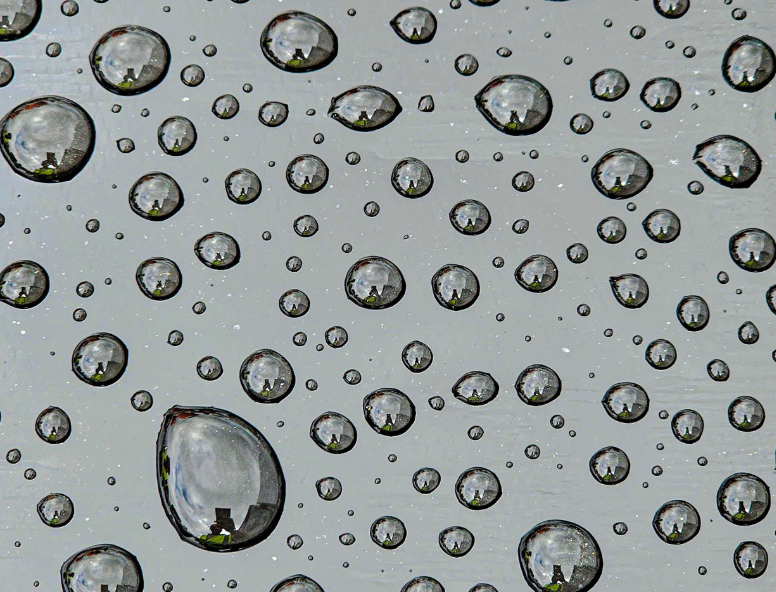
Metal cladding can hide moisture trouble until rust, stains, mold, or soft wall parts appear. Wall condensation often forms when warm, damp air reaches a cold surface inside the wall, or when rain gets past the cladding and has no path to drain or dry.

Know the Two Main Moisture Paths

Most hidden moisture comes from two paths: air that leaks from indoors into a cold wall, or rain that moves past the outer cladding. Each path needs a different fix, so do not assume all damp walls have the same cause.

Air leaks can carry much more moisture than slow vapor flow through sound wall parts. Rain can also pass through joints, gaps, or poor flash work during wind-driven storms. Finding the water path comes before picking a repair.

A full wall review should look at the cladding, seams, flash work, air layer, insulation, and inner wall. A stain on one face may start far from the spot where it appears.

Warm Indoor Air Meets a Cold Surface

Wall condensation can form when indoor air leaks through gaps and hits a cold surface inside the wall. In winter, that cold spot may sit near the outer sheathing, a metal girt, a fastener, or the back of the cladding.

The air cools as it moves outward. Once it reaches its dew point, it can leave water on the cold surface. This may lead to damp insulation, rust, mold, or decay in nearby wood parts.

Air leaks can cause more harm than vapor flow alone. Gaps at panel joints, pipe runs, doors, windows, and roof-to-wall links deserve close review.

Rain Gets Past the Outer Skin

Metal cladding sheds most rain, but no outer skin should be treated as the only line of defense. Wind can push rain at joints, laps, corners, and cut edges. A sound wall plan gives that small amount of water a way to drain and dry.

Flash work plays a big role. It should guide water down and out, not trap it on ledges or send it toward a weak joint. Sealant and fasteners must also suit the panel type and site use.

Watch for these clues:

  • Rust near fasteners or lower wall edges
  • Wet spots after storms
  • Stains below windows or roof lines
  • Loose sealant at joints and trim
  • Dark marks on inner wall faces

A repeat stain after rain may point to a water shed fault. Do not just add more sealant; first find where water enters and where it should exit.

Thermal Bridges Make Cold Spots

A thermal bridge is a part that lets heat move through the wall faster than the insulated areas around it. Steel girts, metal studs, bolts, slab edges, and some frame links can all form these heat paths.

In winter, a bridge can cool a small part of the wall below the dew point. Moisture may then form at that cold patch even when most of the wall stays dry. Over time, that can lead to local rust, damp marks, and loss of thermal value.

Cold spots often show up at joints and links. A thermal scan can help find them, yet a skilled site review may spot likely paths from the wall plan and the way the panels join.

Gaps at Openings Let Moisture In

Doors, windows, vents, pipes, and service lines all break up a wall. Each one needs sound flash work, seal work, and a path for water to drain. A small gap near an opening may lead to a much larger wet area inside the wall.

Do not treat sealant as the only defense. Sealant can age, crack, or pull away as the wall moves. Good detail work uses layers that shed water and guide it out.

Review these high-risk spots:

  • Window heads and sills
  • Door frames and low thresholds
  • Wall-to-roof links
  • Pipe and cable holes
  • Panel corners and end laps

Openings need planned water control, not quick patch work. A repair should link back into the wall’s full rain and air plan.

Why Insulated Panels Can Help

Insulated metal panels join outer metal skins with a built-in core. This can cut the number of separate wall layers that must be set on site. When the panels, joints, fasteners, and trim are picked and fit well, they can support a more even thermal layer and limit many weak spots found in pieced-together walls.

Eco-Insulated Panels offers wall panels with mineral wool or closed-cell EPS cores. Their wall panels serve as exterior cladding and are made for steel frames, pole barns, and masonry walls. The panel system still needs exact fit and sound joint work.

Use the company’s wall panel page to review panel sizes and options. Its installation guide also covers panel support, fasteners, sealants, joints, and flash work.

If your wall has rust, stains, frost, or damp spots behind metal cladding, talk with Eco-Insulated Panels before the issue spreads. Their team can help you review panel options for a new build or retrofit, with core types, panel sizes, and trim needs in mind. Share photos, wall plans, and notes on when the damp spots appear. Contact Eco-Insulated Panels to plan a wall system built for warmth, drainage, and dry service.

Build Faster With Panels That Lock In Comfort

When a build needs speed, steady comfort, and less waste, the right wall system can make a big change. metal panels help crews move fast while keeping heat in and cold out during Toronto and GTA work.

Faster Starts, Cleaner Jobs

Spring builds in Ontario often face short work windows and rough weather shifts. Metal panels help teams frame and close in a site with less delay than many older methods. That can trim site mess and cut the need for extra steps.

This also helps on jobs with tight access or busy streets. metal panels arrive ready for use, so crews can spend more time on fit and finish. That can help keep the whole plan on track.

Comfort That Holds

A strong panel system does more than speed up work. It also helps keep indoor spaces more steady in wet spring days and cool nights across the GTA. That can matter for shops, homes, and light industrial sites.

When walls seal well, heat loss can drop and drafts can fade. metal panels help form a firm shell that fits well in new builds and add-on work. That can support a more even indoor feel through the season.

Where They Fit Best

Metal panels work well in many Toronto and Ontario jobs. They fit new homes, room adds, and small business spaces that need quick close-in work. They can also suit builds that aim for a neat, clean look.

They can be a strong pick when the team wants speed and a tight build shell. For some jobs, they can also help lower strain on the rest of the build plan. That can free up time for trim, finish, and final checks.

What To Watch

A panel system works best when the plan comes first. Crews need good site prep, clear sizes, and skilled setup. Bad prep can slow the job and cut the gain.

  • Check panel size early.
  • Plan window and door spots.
  • Match the system to the build use.
  • Use a team with direct panel know-how.

When those steps line up, metal panels can do a lot of work with less fuss. They help keep the build neat and can make later steps move more smooth.

Spring Use In The GTA

Spring in Toronto can bring rain, damp air, and quick temp swings. That makes a tight shell more useful on active job sites. Metal panels help keep the core of the build more even while crews work on the rest.

They can also help with long-term use after the job wraps. A well fit shell can support steadier heat use and a more calm indoor space. For many owners, that can add real day-to-day value.

Why This Choice Works

This kind of panel system suits buyers who want a faster path from frame to finish. It also fits projects that need neat lines and a firm build shell. That mix makes it a strong fit for many Toronto and GTA jobs in spring.

For more on this type of build, see Eco-Insulated Panels and their panel guide. Eco-Insulated Panels can help you map the right plan for your site and get your next build moving with less delay.

Install Insulated Panels For Energy Savings

Energy costs continue rising, making efficient roofing solutions more important than ever for homeowners. Modern insulated metal roofing panels provide exceptional thermal performance while reducing heating and cooling expenses significantly. These advanced systems combine durability with energy efficiency to deliver long-term value and comfort.

How Insulated Panel Technology Works

Built-in insulation creates a thermal barrier that prevents heat transfer between your home and outdoor temperatures. Quality insulated metal roofing panels feature foam cores sandwiched between metal facings for maximum efficiency. This design eliminates thermal bridging that occurs with traditional roofing and separate insulation layers.

Continuous insulation coverage reduces energy loss through gaps and joints common in other roofing systems. The seamless design prevents air infiltration while maintaining consistent R-values across the entire roof surface. This comprehensive approach delivers superior energy performance compared to conventional roofing materials.

Energy Efficiency Benefits

Insulated panels can reduce energy consumption by 20-40% compared to traditional roofing systems. Lower heating and cooling costs provide immediate monthly savings that continue throughout the roof’s lifetime. These savings often offset the higher initial installation costs within 5-10 years.

Cool roof technology reflects solar radiation while the insulation prevents heat absorption into your home. This dual protection keeps interior temperatures stable during extreme weather conditions. Reduced HVAC system workload extends equipment life while improving indoor comfort levels.

Installation Advantages and Speed

Pre-manufactured panels arrive ready for installation without requiring separate insulation steps. This integrated approach reduces installation time by 30-50% compared to traditional roofing methods. Faster installation means less disruption to your daily routine and lower labor costs.

Lightweight construction puts minimal stress on existing roof structures while providing superior insulation values. Professional installers can complete most residential projects in 2-3 days versus weeks for conventional systems. Weather delays become less problematic due to faster installation schedules.

Structural Performance and Durability

Composite panel construction provides excellent strength-to-weight ratios for wind and snow load resistance. The metal facings protect the insulation core from moisture, pests, and UV damage. This protection maintains insulation performance throughout the panel’s 30-50 year lifespan.

Engineered connections between panels create weatherproof seals that prevent air and water infiltration. These connections maintain structural integrity during thermal expansion and contraction cycles. Quality panels resist deformation and maintain their insulation properties under extreme temperature variations.

Design Flexibility and Appearance

Modern insulated panels come in numerous profiles, colors, and textures to suit any architectural style. Standing seam, corrugated, and architectural profiles provide options for residential and commercial applications. Custom colors and finishes allow perfect coordination with existing building materials.

Concealed fastening systems create clean appearances while improving weather resistance and thermal performance. Some panels mimic traditional materials like slate or tile while providing superior insulation values. These aesthetic options help insulated panels blend seamlessly with neighborhood architectural styles.

Cost Considerations and ROI

Initial costs for insulated panels typically exceed traditional roofing by 15-30% depending on specifications. However, energy savings and reduced maintenance costs provide attractive returns on investment over time. Lower insurance premiums and increased property values further improve the financial benefits.

Utility rebates and tax incentives often apply to energy-efficient roofing improvements in many areas. These programs can significantly reduce net installation costs while improving project economics. Research available incentives before making final purchasing decisions to maximize savings opportunities.

Professional Installation Requirements

Proper installation requires experience with insulated panel systems and specialized fastening techniques. Trained installers understand thermal bridging prevention and proper sealing methods for maximum efficiency. They also know building code requirements specific to insulated roofing systems.

Manufacturer warranties often require certified installer participation to maintain coverage validity. Professional installation documentation supports warranty claims and insurance requirements. Quality contractors provide both material and workmanship warranties for complete project protection.

System Selection Criteria

Consider these factors when choosing insulated metal roofing panels:

• Insulation type and R-value ratings for your climate zone

• Panel profile and architectural compatibility requirements

• Color and finish options for aesthetic coordination

• Warranty coverage on materials and thermal performance

• Fire resistance ratings and building code compliance

• Manufacturer reputation and local dealer support

• Installation complexity and contractor availability

Maintenance and Long-term Performance

Insulated panels require minimal maintenance while providing decades of reliable performance. Annual inspections check for loose fasteners, damaged panels, or debris accumulation that could affect efficiency. Most maintenance involves simple cleaning rather than major repairs or replacements.

Quality panels maintain their insulation properties throughout their lifespan without settling or degrading. The metal facings protect the insulation core from moisture and pest damage that can reduce performance. This durability makes insulated panels excellent long-term investments for energy-conscious homeowners.

Making Your Investment Decision

Calculate potential energy savings based on your current utility costs and local climate conditions. Compare these savings against the additional cost of insulated panels versus traditional roofing options. Most homeowners find that energy savings justify the higher initial investment within 7-12 years.

Consider your long-term housing plans when evaluating insulated panel investments and payback periods. Homeowners planning to stay 10+ years typically see the best returns from energy-efficient roofing upgrades. These systems provide immediate comfort benefits while delivering long-term financial returns.

Insulated Metal Panels: Energy Efficiency & Style

Running a business or managing a warehouse in Toronto means you’re always thinking about the bottom line. With winter in full swing and energy costs soaring, let’s talk about smart metal roofing systems that’s revolutionizing commercial buildings: insulated metal panels (IMPs).

What Are IMPs and Why Should You Care?

Think of IMPs as your building’s winter coat and summer breeze all in one. They’re basically sandwich panels – two metal faces with insulating foam in between. But here’s what makes them special: these metal roofing systems handle everything from keeping your heating bills down to making your building look sharp.

The Numbers That Matter to Your Bottom Line

Let’s talk savings. Buildings using IMPs typically see 25-30% lower energy bills compared to traditional construction. Here in Toronto, where winter heating costs can skyrocket, that’s serious money back in your pocket. Most business owners see their investment paid back within 3-5 years just through energy savings.

Installation: Quicker Than You’d Think

Here’s some good news for your timeline: IMPs go up fast. Really fast. While traditional wall systems might take weeks to install, IMP installation teams can cover about 1,000 square feet per day. Less construction time means less disruption to your business operations.

Handling Toronto’s Weather Like a Pro

Our city throws everything at us – snow, ice, rain, and those summer heat waves. IMPs are built for exactly this kind of challenge. They’re tested to handle extreme temperature swings (from -40°C to +40°C) without losing their insulating properties. Plus, they resist moisture better than traditional systems, which means less maintenance headaches for you.

Making Your Building Stand Out

Who says industrial buildings can’t look good? Today’s IMPs come in styles and colors that can transform your property from boring to bold. Want a sleek, modern look? Done. Need to match your corporate branding? No problem. The finish options have come a long way from the basic metal panels of the past.

Myths vs. Reality: Let’s Clear Things Up

You might have heard that IMPs are expensive or only for new construction. Here’s the truth: while the upfront cost can be higher than basic metal siding, the energy savings and low maintenance costs often make them the more economical choice in the long run. And yes, they work great for retrofits too.

Real Talk About Maintenance

Here’s what you’ll love: IMPs need very little maintenance. A simple annual inspection and occasional cleaning are usually all it takes. No repainting, no replacing damaged sections, no surprise repair bills. For busy property owners, that’s one less thing to worry about.

Planning Your Project: Next Steps

Thinking about upgrading your building? Winter is actually a great time to start planning. Many contractors offer better rates during their slower season, and you’ll be ready to start installation when spring arrives. Plus, getting your energy-efficient system in place before next winter means you’ll start saving sooner.

Looking ahead, IMPs are becoming even more advanced. Newer systems include integrated solar panels and smart monitoring capabilities. While these features might not be what you need right now, it’s good to know your initial investment can be upgraded down the line.

Want to see IMPs in action? Many Toronto contractors can arrange tours of local buildings that use these systems. There’s nothing like seeing the real thing and talking to other business owners about their experiences.

Remember, improving your building’s efficiency isn’t just about saving money – it’s about staying competitive in a market where tenants and customers increasingly care about environmental impact. Plus, with new energy regulations coming up, you’ll be ahead of the curve.

Need more information? Most suppliers offer free consultations and can provide detailed cost-benefit analyses for your specific property. They can also help you understand available government incentives for energy-efficient upgrades.

Top Siding Materials to Weather Any Toronto Storm

When you’re looking to protect your commercial building from the tough Toronto weather, picking the right siding material is super important. Insulated metal panels (IMPs) stand out as a great choice! They’re not only tough and energy-efficient for commercial buildings and weatherproof home siding, but they’re also good for the environment. In this guide, we’ll dive into the many benefits of using IMPs and show you how they can enhance both the look and performance of your building. 

What are Insulated Metal Panels?

Insulated metal panels are a type of pre-engineered building envelope system that combines a metal exterior skin with a core of insulating material. This innovative design offers numerous advantages over traditional building materials from weather proof home siding to fire-resistant commercial buildings. 

6 Benefits of Insulated Metal Panels

  • Superior Insulation: IMPs provide excellent thermal performance, helping to reduce energy costs and improve indoor comfort.
  • Durability and Longevity: Resistant to fire, moisture, insects, and extreme weather conditions, IMPs ensure long-lasting protection for your building.
  • Rapid Installation: The pre-engineered design of IMPs allows for quick and efficient installation, minimizing disruption to your business operations.
  • Low Maintenance: IMPs require minimal maintenance, saving you time and money.
  • Aesthetic Versatility: Available in a wide range of colors, finishes, and profiles, IMPs can enhance the appearance of your building.
  • Environmental Friendliness: IMPs are often made from recycled materials and can contribute to LEED certification.

4 Types of Insulated Metal Panels

  1. Single-Wall Panels: These panels have a single metal skin bonded to an insulating core. They are ideal for applications where aesthetic appeal is a priority.
  2. Double-Wall Panels: These panels feature two metal skins separated by an insulating core and offer superior insulation and soundproofing.
  3. Standing Seam Panels: These panels are characterized by their distinctive vertical seams and are known for their durability and water-resistance.
  4. Ribbed Panels: These panels feature horizontal ribs, adding strength and rigidity to the building envelope.

How to Choose the Right IMPs

When selecting building panels, several factors must be considered to ensure a successful choice. Firstly, the local climate plays a significant role, so choose a panel that offers appropriate insulation values for your environment. 

Additionally, ensure that the selected panels comply with local building code requirements to avoid potential issues down the line. Aesthetics are also important; opt for a panel style and color that enhances the overall design of your building. 

Budget considerations should include not just the initial cost of installation but also the long-term savings that can come from improved energy efficiency. Lastly, hiring a qualified contractor for installation is crucial to guarantee proper setup and optimal performance of the panels.

Contact Us Today

By investing in insulated metal panels, you can significantly enhance the energy efficiency, durability, and aesthetic appeal of your commercial building. With their numerous benefits, IMPs are an excellent choice for businesses seeking a sustainable and cost-effective solution.

  • Consult with a Building Engineer: A building engineer can help you determine the best type of IMP for your specific needs.
  • Consider Energy-Efficient Windows: Pair IMPs with high-performance windows to maximize energy savings.
  • Proper Ventilation: Ensure adequate ventilation to maintain indoor air quality.
  • Regular Maintenance: Conduct regular inspections and maintenance to prolong the life of your building envelope.

By following these guidelines and working with experienced professionals, you can make informed decisions and achieve optimal results. Call us today.

Weatherproof Your Way: The Best Siding for You This Winter

Metal panels have become a popular choice for home siding and roofing due to their durability, energy efficiency, and low maintenance requirements. Metal is the top weatherproof home siding materials in Toronto and can significantly improve your home’s energy performance and comfort when combined with proper insulation.

Why Choose Metal Panels?

Metal panels are an excellent choice for home siding due to their unmatched durability, energy efficiency, and low maintenance requirements. They offer superior protection against fire, pests, and moisture, while enhancing your home’s aesthetic appeal. Why is metal the top weatherproof home siding materials for Toronto weather?

  • Durability: Metal panels are resistant to fire, pests, and moisture, making them a long-lasting and low-maintenance option.
  • Energy Efficiency: Metal panels can help reduce energy costs by reflecting sunlight in the summer and retaining heat in the winter.
  • Aesthetics: Metal panels come in a wide range of colors, finishes, and profiles to complement any architectural style.
  • Sustainability: Metal is a recyclable material, making it an environmentally friendly choice.

With a variety of designs and colors, metal panels combine functionality with style, making them ideal for any setting.

The Importance of Insulation

While metal panels offer excellent thermal performance, proper insulation is essential to maximize energy efficiency. Here are some key areas to consider:

  • Wall Insulation: Insulating the walls behind the metal panels can significantly reduce heat transfer. Common insulation materials include fiberglass batt, spray foam, and rigid foam board.
  • Roof Insulation: Insulating the attic or roof cavity can help prevent heat loss in the winter and heat gain in the summer.
  • Air Sealing: Sealing any gaps or cracks in the building envelope is crucial to prevent air leakage.

Tips for Effective Insulation

  • Hire a Professional: Consult with a qualified contractor to ensure proper installation and optimal performance.
  • Consider the Climate: The climate in your region will influence the type and thickness of insulation needed.
  • Check Local Building Codes: Adhere to local building codes and regulations to ensure compliance.
  • Inspect Regularly: Periodically inspect your insulation for any signs of damage or deterioration.

By carefully selecting and installing metal panels and insulation, you can create a comfortable, energy-efficient, and stylish home that will stand the test of time.

Contact Eco-Insulated Panels for Your Metal Roofing and Siding Needs!

Are you ready to enhance your home with durable and stylish metal roofing and siding? Look no further than Eco Insulated Panels, your trusted choice in Toronto! Our expert team specializes in providing high-quality metal panels that not only elevate your home’s aesthetic but also ensure energy efficiency and longevity.

With our commitment to sustainability and superior craftsmanship, we will work closely with you to find the perfect solutions tailored to your needs. From installation to insulation, we’ve got you covered every step of the way. 

Don’t wait—transform your home’s exterior into a weatherproof haven this winter! Contact us today for a free consultation and discover how our metal roofing and siding options can boost your home’s performance and curb appeal. Let’s create a comfortable and stylish living space together!

Embracing Sustainable Elegance: Metal Panels

Thinking about revamping your home’s exterior?  Craving a look that’s both stylish and eco-friendly? Look no further than a metal panel or metal roof on your home!  They’re not just for industrial buildings anymore.  Metal roof and wall panels are the superheroes of modern home design, offering a stunning blend of sleek aesthetics and surprising sustainability cred.

Beyond Brick and Mortar: Unveiling the Benefits of Metal Panels

Metal panels are changing the game when it comes to modern home exteriors. A metal roof or metal panel on your home offer a bunch of cool benefits that make them perfect for eco-conscious homeowners:

  • Energy Champs: Metal panels come with a hidden superpower – insulation!  They act like a thermal barrier, keeping your home nice and cool in the summer and cozy warm in the winter.  This translates to less energy use for your heater and air conditioner, which means saving money on your bills and helping out the environment.
  • Going Green:  Metal panels are often made from recycled materials, making them an eco-friendly choice right from the start.  Plus, they’re super durable and last for a long time, which means less waste ends up in landfills. So, you can feel good about your home looking sharp and protecting the planet at the same time!
  • Low-Maintenance Marvels:  Unlike other building materials that constantly need fixing, metal panels are low-maintenance champions.  They can handle anything Mother Nature throws their way, from rain and snow to sunshine.  This translates to less time spent fixing things and more time relaxing in your beautiful home.
  • Modern Makeover:  Let’s face it, metal panels just look cool.  They come in a variety of styles, colors, and finishes, allowing you to create a modern and sophisticated look for your home. It’s like giving your house a whole new personality – one that’s both trendy and timeless.

Metal Roofing: The Unsung Sustainability Hero

Metal roofs are more than just keeping the rain out – they’re secret energy superstars too:

  • Reflecting the Heat: Metal roofs are like shiny shields, reflecting a big chunk of the sun’s rays away from your home. This keeps the inside cooler in the summer, so your air conditioner doesn’t have to work as hard.  Less work for your AC means less energy used, which means a smaller carbon footprint!
  • Built to Last: Metal roofs are tough cookies. They can withstand all sorts of weather, lasting for decades without needing to be replaced.  This saves you money in the long run and keeps waste out of landfills – a double win!
  • Easy on the Upkeep:  Metal roofs are like low-maintenance pets. They’re easy to clean and don’t have the same problems as other roof materials, like shingles getting old and breaking.  This means less time and money spent on repairs, freeing you up for more fun things.

Investing in Style and Sustainability: The Benefits of Metal Panels

While the initial cost of metal panels might seem higher than traditional materials, the long-term benefits make them a smart investment:

  • Saving Green on Bills:  The energy-saving power of metal panels translates to lower energy bills year after year.  This helps you save money and puts some extra green back in your wallet.
  • Less Upkeep Costs:  Since metal panels are low-maintenance, you won’t have to spend as much money on repairs and replacements down the line.  This frees up your hard-earned cash for other things you might enjoy.
  • Boosting Your Home’s Value:  Metal panels not only make your home look amazing, but they also improve its energy efficiency and durability. This can increase the value of your property, making it a wise investment for the future.

So, ditch the outdated and embrace the future of sustainable style!  Metal panels are the perfect choice for homeowners who want a modern look without sacrificing eco-friendliness.  Contact a metal panel specialist today and start visualizing your dream home!

Sleek Warehouse Solutions with Metal Roofing 2024

In industrial and commercial construction, metal roofing systems have emerged as a sleek and practical solution for warehouses and large-scale facilities. As we approach 2024, the demand for these robust and efficient metal roof and siding options continues to soar. Here are some reasons why metal roofing systems are the future of industrial roofing.

Weathering the Elements: How Metal Roofing Systems Provide Unparalleled Durability and Protection

Warehouses and industrial spaces are often subjected to harsh environmental conditions, from blistering heat and intense sunlight to heavy precipitation and high winds. These structures need a metal roof and siding system to withstand these challenges and provide unparalleled durability and protection. This is where metal roofing systems excel. 

Metal roofs are engineered to withstand the most challenging environmental conditions, providing robust and efficient protection for the structures they cover. They are highly resistant to damage from hail, high winds, and heavy rains, ensuring that the warehouse’s interior remains safe and secure. 

Exceptional Lifespan and Cost-Effectiveness: How Metal Roofs Outperform Traditional Roofing Materials

One of the key advantages of metal roofing for warehouses is its impressive lifespan. With proper installation and maintenance, these roofs can last for decades, significantly outperforming traditional roofing materials. This longevity translates into long-term cost-effectiveness, reducing the need for frequent replacements and minimizing disruptions to operations.

Moreover, metal roofs require minimal maintenance, reducing the long-term costs of owning and operating an industrial facility. Unlike traditional roofing materials like asphalt shingles, metal roofs do not require regular repairs or replacements, which saves time and money in the long run.

Efficient Thermal Performance: How Metal Roofs Offer Superior Energy Efficiency

Energy efficiency is critical for warehouse owners and operators, directly impacting operational costs and environmental footprint. Metal roofing systems excel in this regard, offering superior thermal performance through their reflective surfaces and advanced insulation techniques. This can result in substantial energy savings and a reduced carbon footprint.

Metal roofs are up to 50% more energy-efficient than traditional roofing materials, translating into significant cost savings for industrial facilities. By reflecting sunlight and reducing heat transfer, metal roofs help maintain a stable indoor temperature, which reduces the need for heating and cooling systems. This, in turn, reduces energy consumption and operational costs.

Customizable and Aesthetic Appeal: How Metal Roofs Can Enhance the Visual Appeal of Industrial Facilities

While functionality is paramount in industrial settings, aesthetics should be noticed. Metal roofing systems offer a sleek and modern appearance that can enhance the visual appeal of warehouses and industrial facilities. With a wide range of colors, finishes, and profiles available, these roofs can be tailored to complement the facility’s overall architectural design and branding.

Moreover, metal roofs are highly customizable, which means that they can be designed to meet each facility’s specific needs and requirements. Whether it’s a complex roof shape or a particular color scheme, metal roofs can be customized to meet the most demanding design specifications.

Metal roofing systems are the future of industrial roofing. They provide unparalleled durability and protection, exceptional lifespan and cost-effectiveness, superior energy efficiency, and customizable and aesthetic appeal. If you’re planning to build or renovate an industrial facility, consider using metal roofing systems to ensure that your facility is safe, efficient, and visually appealing.

What are the Pros and Cons of Metal Roofing?

Metal roofing is a popular choice among homeowners in Ontario, including Toronto, due to its durability and energy efficiency. However, it’s essential to consider both the pros and cons when deciding if metal roofing is the right option for your home. The best home design is both aesthetically pleasing and energy-efficient. Find out how metal roofing is the popular choice in 2024. 

Pros of Metal Roofing:

Metal roofing is a popular choice among homeowners due to its numerous benefits. It is durable, long-lasting, low-maintenance, energy-efficient, and eco-friendly. Additionally, metal roofing is available in a variety of colors and styles, making it a versatile option that creates the best home design.

Durability: Metal roofing is known for its durability and longevity. It can withstand harsh weather conditions, including heavy snow, rain, and high winds. This durability ensures a longer lifespan compared to traditional roofing materials

.

Energy Efficiency: Metal roofs reflect the sun’s rays, preventing excessive heat absorption. This reflective property contributes to energy efficiency by keeping the home cooler in the summer. Homeowners in Toronto can appreciate the potential energy savings associated with metal roofing.

Low Maintenance: Metal roofing requires minimal maintenance. It is resistant to issues like rot, insects, and mildew. Periodic inspections and cleaning are usually sufficient to keep a metal roof in excellent condition.

Environmentally Friendly: Metal roofing is environmentally friendly and recyclable. Most metal roofs contain a significant percentage of recycled material, and they can be recycled at the end of their life, reducing the environmental impact.

Aesthetic Options: Modern metal roofing comes in a variety of styles, colors, and finishes. Homeowners in Ontario can choose from a range of aesthetic options to complement their home’s design and architecture.

Cons of Metal Roofing:

Initial Cost: The upfront cost of installing a metal roof is generally higher than traditional roofing materials. While the long-term savings in energy efficiency and longevity can offset this initial investment, it’s important to consider the upfront cost.

Matching with Home Style: While modern metal roofing offers diverse styles, some traditional architectural styles may not suit the aesthetic of certain homes. Homeowners in Toronto should consider the compatibility of metal roofing with their home’s design.

Contact Eco-Insulated Metal Today

When it comes to roofing options, metal roofing is a popular choice for homeowners in Ontario. The benefits of metal roofing are numerous, including durability, energy efficiency, low maintenance, environmental friendliness, and aesthetic options. However, it’s important to consider the potential drawbacks as well. 

The initial cost of metal roofing can be higher than other options, and some homeowners may be concerned about the potential for noise or dents. Additionally, metal roofing can expand and contract with changes in temperature, which could cause issues if not properly installed. 

Despite these potential drawbacks, many homeowners find that the benefits of metal roofing outweigh the costs and choose this option for their homes. Ultimately, it’s important to carefully weigh the pros and cons to make an informed decision. Call the experts at Eco-Insulated Panel today. We are ready to answer all of your questions. Contact us!