
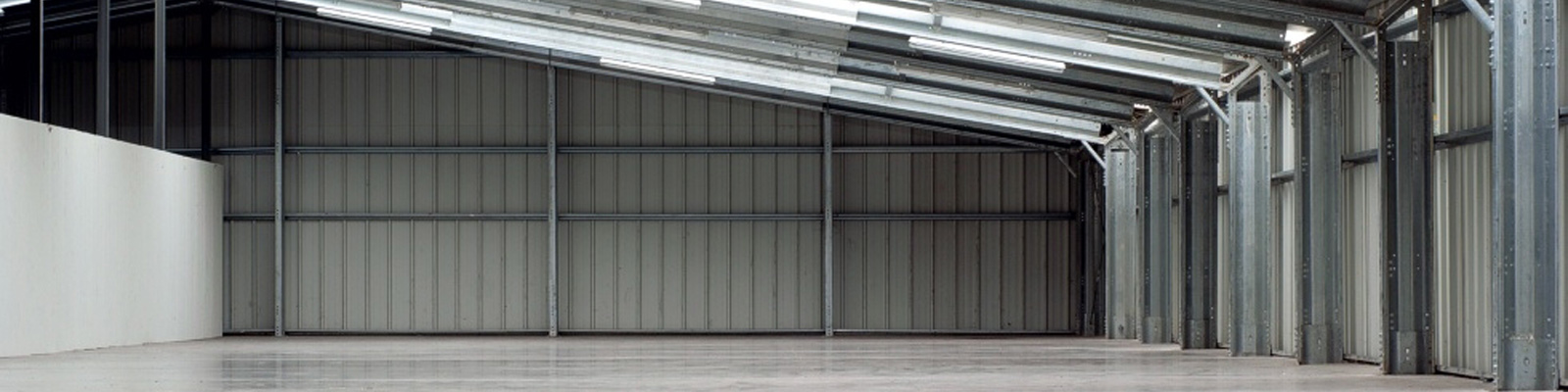
Stop Wasting Fortunes on Heating Industrial Space 2026

Industrial heating bills cripple Toronto businesses every winter season predictably. Strategic industrial building insulation cuts energy costs by thirty to fifty percent. Warehouses and factories leak heat through massive surface areas constantly. Smart owners invest in efficiency rather than throwing money away.

The Scale Of Industrial Waste

Large buildings magnify every inefficiency dramatically through size alone. Poor industrial building insulation means heating massive volumes of air repeatedly all day. Costs multiply faster than residential properties by significant margins here. Your competition improves efficiency while you fall behind losing money.

Spray Foam Delivers Superior Performance

Closed-cell foam fills every gap creating airtight envelopes completely. R-value per inch exceeds traditional fiberglass significantly for thickness. It adheres permanently to metal preventing thermal bridging issues. Moisture barrier properties protect against condensation problems developing inside. Application takes days, not weeks like other insulation methods.

Roof Insulation Pays Back Fastest

Heat rises, making ceilings your biggest loss area by far. Forty percent of energy escapes through roofs in typical buildings. Adding six inches of insulation cuts this loss dramatically overnight. White reflective coatings reduce summer cooling loads too later. Return on investment often happens within three to five years.

Loading Dock Doors Waste Energy

Install high-speed doors minimizing open time for trucks. Add vinyl strip curtains creating buffer zones effectively. Use inflatable dock seals preventing air infiltration completely. Schedule deliveries grouping them to reduce total open time. Install dock shelters enclosing trucks during unloading operations.

Radiant Heat Targets Workers Directly

Heating entire volumes wastes money warming empty air unnecessarily. Overhead radiant panels warm people and objects below them. Workers feel comfortable while air temps stay lower overall. Energy savings reach thirty percent compared to forced air. Zones heat only active work areas as needed.

Air Curtains Protect Entrances

Powerful fans create invisible barriers at doorways preventing infiltration. They allow easy passage without stopping workflow or causing delays. Models exist for pedestrian and vehicle openings both specifically. Installation pays for itself within two years typically through savings. Worker comfort improves dramatically near entries and loading areas.

Windows And Skylights Need Upgrades

Single-pane glass loses heat faster than insulated walls do. Glazing film adds insulation while reducing glare for workers. Replace old units with modern insulated versions during renovations. Consider window-to-wall ratios when planning new construction projects carefully. Natural light benefits don’t justify excessive heat loss ever.

Heating System Efficiency Matters Too

Old boilers and furnaces waste fuel through inefficiency built-in originally. Modern condensing units extract more heat from same fuel. Programmable controls reduce temps during unoccupied hours automatically overnight. Zone systems heat only areas in use currently saving significantly. Annual maintenance keeps equipment running at peak efficiency always.

Government Rebates Reduce Costs

Federal programs offer grants for energy efficiency upgrades qualifying businesses. Provincial incentives stack on top for even greater savings. Utility companies provide additional rebates for major improvements completed. Energy audits identify opportunities and are often free for businesses. These programs change so check current offerings before starting work.

Calculate Your Potential Savings Now

Review past three years of heating bills for baseline. Identify your cost per square foot monthly for comparison. Get quotes from three insulation contractors for competitive pricing. Request energy modeling showing projected savings from improvements recommended. Factor in rebates when calculating return on investment timelines.

Start Planning Your 2026 Upgrade

Winter reveals exactly where your building loses heat most. Document problem areas with thermal cameras or professional audits. Budget improvements spreading costs across multiple years if needed. Schedule work during slower production periods minimizing disruption caused. Your bottom line improves immediately after completion of work.

Industrial spaces don’t have to drain profits through walls. Modern insulation technology delivers real, measurable returns on investment. Toronto’s harsh winters punish inefficient buildings without mercy yearly. Your facility can run warmer while costing less monthly. Stop accepting high energy bills as unavoidable business costs. Efficiency upgrades protect margins for decades ahead successfully.

Will Your Roof Survive Savage Winter 2026?

Toronto winters dump massive snow amounts on roofs annually without warning. Proper roof maintenance snow load checks prevent catastrophic collapse and expensive damage to structures. Most homeowners never think about weight limits until disaster strikes. Your roof faces serious danger right now this season.

Understanding The Real Danger

Snow weighs far more than people realize when accumulated deep. Regular roof maintenance snow load monitoring protects your biggest investment from crushing failure completely. Wet snow weighs triple what fluffy powder does per inch. Ice adds even more weight that exceeds design limits quickly.

Calculate Your Roof’s Capacity First

Most residential roofs handle twenty pounds per square foot safely. Fresh snow weighs about five pounds per cubic foot. Packed snow increases to fifteen to twenty pounds instead. Ice weighs a whopping fifty-seven pounds per cubic foot. Six inches of ice equals two feet of fresh snow.

Warning Signs Demand Immediate Action

Ceilings sag or show new cracks appearing suddenly overnight. Doors stick or won’t close properly anymore without forcing. Creaking or popping sounds come from the structure above. Windows crack without obvious impact causes from outside. Water stains appear despite no recent leaks before now.

Exterior walls lean or bow outward slightly from normal positions. Rafters show cracks visible from attic spaces when inspecting. Roof decking separates from support beams when viewed from below. These signs mean emergency clearing is needed immediately today.

Safe Snow Removal Methods

Roof rakes extend twenty feet letting you clear from ground. Work from eaves toward peaks to avoid trapping yourself. Remove snow in layers rather than all at once. Leave two inches protecting shingles from rake damage caused. Never walk on snow-covered roofs hiding ice patches underneath.

Professional services use proper safety equipment and techniques always. They carry insurance protecting you from liability if accidents occur. Costs run one hundred to four hundred depending on size. This investment prevents tens of thousands in collapse repairs. Book services before major storms arrive bringing heavy accumulation.

Prevent Ice Dam Formation

Keep attic temps below outdoor temps through proper ventilation. Add insulation preventing heat loss through roof surfaces constantly. Seal air leaks from living spaces into attic areas completely. Install heating cables along eaves before winter weather begins. Clear gutters so melting snow drains properly away from roofs.

Flat Roofs Face Greater Risks

Water pools instead of draining off sloped surfaces naturally. Snow accumulates evenly across entire surface areas available. Weight distributes more uniformly increasing collapse risk significantly overall. Drainage must work perfectly or problems develop rapidly always. Check drains weekly during heavy snow periods without exception.

Plan Your Winter Roof Strategy

Schedule professional inspections each November before snow flies regularly. Document your roof’s condition with photos for insurance purposes. Keep rake and safety equipment accessible in your garage. Program roof-clearing service numbers into your phone now. Set calendar reminders to check after each major snowfall.

Know When To Call Experts

Never attempt clearing if you feel unsafe doing it. Height fears mean hire professionals instead of risking falls. Steep pitches require specialized equipment and training always. Ice-covered surfaces become deadly slipping hazards for anyone. Older adults should never attempt this dangerous task themselves.

Insurance Covers Some Damage Types

Sudden collapse from snow weight typically qualifies for claims. Gradual deterioration from poor maintenance gets denied always though. Document your clearing efforts with photos and receipts kept. Some policies require professional removal over certain accumulation amounts. Read your policy carefully before winter arrives bringing problems.

Start Your Inspection This Week

Walk around your property looking up at the roofline carefully. Check for sagging, missing shingles, or other visible issues. Enter your attic with a flashlight examining structure throughout. Look for daylight showing through gaps indicating problems existing. Take notes and photos for reference when calling contractors.

Your roof silently protects everything you own from harsh elements. Winter snow loads test structural limits every single year here. Small problems become catastrophic under heavy accumulation weight quickly. Toronto homeowners must stay vigilant throughout long winter months. Act before disaster strikes instead of reacting after collapses. Your family’s safety depends on your roof’s integrity always.

Is It Time to Fortify Your Roof?

Your roof shields everything you love from weather and time. Asphalt shingles fade, crack, and fail after 15-20 years. Metal roofing lasts 40-70 years with minimal upkeep. Hiring metal roofing contractors GTA specialists now means your home stays protected through brutal winters and hot summers for decades. October is the final month to schedule work before snow makes roofing risky and impossible.

Why Metal Beats Asphalt

Metal roofs handle freeze-thaw cycles that destroy asphalt. Ice and snow slide off metal easier—no ice dams forming. Metal reflects heat in summer, cutting air costs by 10-20%. It resists wind, hail, and fire better than any other roof type. Asphalt gets brittle in cold and soft in heat. Metal stays stable through all extremes.

Durability means fewer repairs. Asphalt roofs need patches every few years. Metal roofs need almost nothing. You save money on upkeep over the roof’s lifespan. One metal roof replaces three asphalt roofs. Do the math—metal wins every time when you look at total cost over 50 years.

Picking Your Metal Material

Steel is strong and affordable. It costs less than other metals but needs paint touch-ups every 10-15 years. Galvanized steel resists rust better. Aluminum is lighter and won’t rust—ever. It costs more but never needs rust prevention. Copper costs most but develops a beautiful green patina over time. Copper looks elegant and lasts longest.

Your budget guides this choice. Tight budgets pick steel. Mid-range picks galvanized steel or aluminum. Premium picks copper. GTA weather favors aluminum—no rust in our salty, wet climate. Ask your contractor which metal makes sense for your home’s location and your timeline.

Color and Profile Shape Your Look

Metal roofs come in every color imaginable. Traditional homes suit darker tones—blacks and dark grays. Modern homes pop with bold colors—deep red, slate blue, or even charcoal. Light colors reflect heat and feel cooler. Dark colors absorb heat and feel cozier.

Profiles range from smooth to dramatic. Standing seam roofs have thin vertical ribs—sleek and modern. Corrugated roofs have wavy patterns—rustic and charming. Metal shakes mimic wood shingles but perform like steel. Metal slate mimics slate stone perfectly. Your aesthetic guides the profile pick.

Installation Quality Defines Performance

A perfect roof installed poorly leaks and fails fast. Seams must be sealed tight. Fasteners need proper placement and torque. Flashing around chimneys, vents, and valleys demands precision. Poor work means water behind panels and rust forming inside.

Hire contractors with metal roofing experience. Not all roofers know metal. Ask for references from past metal jobs. Visit homes they’ve roofed if possible. Watch how seams look. Check if flashing sits flush. Quality work shows in details. Sloppy work also shows in details. Your eyes can spot it.

Underlayment Keeps Water Out

The layer under metal matters as much as the metal itself. Quality underlayment breathes and blocks water. Cheap underlayment traps moisture. Metal expands and contracts with temperature swings. Good underlayment allows this movement while staying waterproof.

Synthetic underlayment works best in GTA climate. It resists moisture and UV rays. It won’t rot or degrade. Ask if your contractor includes quality underlayment. Some quote low prices but skimp on underlayment. That’s false economy. Spend more upfront for proper materials. You’ll never regret it.

Ventilation Matters For Longevity

Hot attics destroy roofs from below. In summer, trapped heat cooks metal and degrades underlayment. Proper ventilation removes hot air before it damages anything. Ridge vents at the top paired with soffit vents at the bottom create airflow. This exhaust keeps your attic 20-30 degrees cooler.

Ventilation also prevents ice dams in winter. Warm air from a poorly vented attic melts snow on your roof. Water runs down and refreezes at the cold eaves, creating dams. Good ventilation keeps your attic cold in winter too. Metal roofs with proper ventilation perform their best.

Gutters Partner With Your Metal Roof

Your new metal roof channels tons of water during heavy rain. Gutters catch it and direct flow away from your foundation. Undersized gutters overflow and spill water down your walls. Your foundation suffers. Your basement floods. Upgrade gutters if your old ones are narrow.

Metal gutters complement metal roofs perfectly. They match visually and perform equally well. Gutter guards keep leaves out, cutting cleanup work. Proper slope—one-eighth inch drop per 10 feet—ensures water flows to downspouts, not sits stagnant. Ask your installer to check gutter grade and sizing.

Expect Disruption But Trust The Process

Metal roof install takes 2-5 days depending on size. Your home will be loud. Crews start early and work until late. Material delivery trucks might block your driveway. Plan for this. It’s temporary chaos for 50 years of protection.

Your old roof gets removed first. That’s noisy and messy. Dust and debris go everywhere. Crews should tarp and contain waste. Weather might slow work. Rain pauses install. Snow definitely stops it. Book work early enough that bad weather won’t push you past safe weather windows.

Book Your Roof Work Now With Us

Don’t wait until November when crews fill up. October is your month. Call three contractors and get quotes. Ask about materials, warranty, timeline, and cleanup. Pick the team with solid reviews and proven metal experience. Lock in your dates before the season fills.

Your new metal roof will handle GTA winters for decades. Snow slides off. Ice dams stay away. Your home stays dry and protected. That peace of mind is worth every penny spent. Start your roof transformation this week.

Choose Durable Metal Roofing For Lasting Protection

Your roof protects your most valuable investment from weather extremes and environmental challenges. Skilled metal roofing contractors GTA residents trust understand how to install systems that last 50 years or more. These durable roofing solutions provide superior protection while offering long-term value and energy efficiency benefits.

Why Metal Roofing Outperforms Other Materials

Metal roofing withstands extreme weather conditions better than traditional asphalt shingles or wood materials. These systems resist wind damage, hail impact, and fire while maintaining structural integrity. Snow slides off metal surfaces naturally, preventing dangerous ice dam formation that can damage gutters and interior spaces.

Lightweight construction puts less stress on your home’s structural framework than heavy tile or slate alternatives. This reduced weight often eliminates the need for additional roof reinforcement during installation. Metal roofing also resists pest damage and won’t rot, crack, or deteriorate like organic materials.

Installation Process and Professional Requirements

Proper installation starts with accurate measurements and structural assessment of your existing roof system. Professional contractors remove old roofing materials and inspect the underlying deck for damage or weakness. They replace damaged sections and add proper underlayment before installing metal panels or shingles.

Skilled installation requires specialized tools and experience with metal roofing fastening systems. Proper panel alignment, seaming, and flashing details prevent water infiltration and ensure optimal performance. DIY installation often voids manufacturer warranties and can lead to costly repairs from improper techniques.

Energy Efficiency and Cost Savings

Reflective metal surfaces redirect solar heat away from your home during summer months. This cooling effect reduces air conditioning costs by 10-25% compared to dark asphalt shingles. Special coatings enhance reflectivity while providing additional protection against UV damage and fading.

Insulated metal roofing systems provide even greater energy efficiency through thermal barrier technology. These systems reduce heat transfer in both summer and winter seasons. Lower energy costs over the roof’s lifetime often offset the higher initial installation investment.

Style Options and Aesthetic Appeal

Modern metal roofing comes in dozens of colors and finishes to complement any architectural style. Textured surfaces mimic traditional materials like slate, tile, or wood shakes convincingly. Standing seam panels provide contemporary appeal while corrugated styles suit industrial or rural settings.

Custom color matching allows you to coordinate roofing with existing trim, siding, or brick colors perfectly. Premium finishes resist fading and chalking for decades with minimal maintenance requirements. These styling options help metal roofing blend seamlessly with neighborhood aesthetics.

Maintenance Requirements and Longevity

Metal roofing requires minimal maintenance compared to other roofing materials throughout its lifespan. Annual inspections check for loose fasteners, damaged panels, or clogged gutters that could affect performance. Most maintenance involves simple cleaning and minor adjustments rather than major repairs.

Quality metal roofing systems often outlast two or three traditional roof replacements on neighboring homes. Many manufacturers offer 30-50 year warranties on materials and finishes. This longevity makes metal roofing an excellent long-term investment for homeowners planning to stay in their homes.

Weather Resistance and Durability

Metal roofing handles extreme temperature fluctuations without cracking or splitting like other materials. These systems perform well in areas with heavy snow loads, high winds, and frequent storms. Proper installation with quality fasteners and sealants provides decades of weatherproof protection.

Hail resistance varies by metal thickness and profile design but generally exceeds asphalt shingle performance. Impact-resistant coatings and reinforced panels provide additional protection in hail-prone regions. Insurance companies often offer discounts for metal roofing due to reduced claim frequency.

Contractor Selection Criteria

Choose experienced contractors who specialize in metal roofing installation and repair services:

• Proper licensing and insurance coverage for roofing work

• Experience with your specific metal roofing system type

• Local references from recent metal roofing installations

• Manufacturer certification and training credentials

• Detailed written warranties on materials and workmanship

• Knowledge of local building codes and permit requirements

• Equipment and expertise for safe high-altitude work

Investment Value and Return

Metal roofing typically costs 2-3 times more than asphalt shingles initially but lasts much longer. This durability often provides better value over the roof’s lifetime when replacement costs are considered. Energy savings and reduced maintenance costs further improve the financial return.

Property value increases from metal roofing installation often recover 60-80% of the initial investment. Buyers appreciate the long-term protection and reduced maintenance requirements these systems provide. Quality installation documentation helps support warranty claims and property value assessments.

Making Your Decision

Research local contractors thoroughly and get multiple detailed quotes before making final decisions. Compare material specifications, warranty terms, and installation timelines across different proposals. Quality installation matters more than finding the lowest price for long-term satisfaction.

Consider your long-term housing plans when evaluating metal roofing investment costs and benefits. Homeowners planning to stay 10+ years typically see the best returns from metal roofing upgrades. These durable systems provide peace of mind and protection for decades to come.

Invest Smart: Long‑Lasting Roof Maintenance Tips

Proper roof maintenance protects your home’s structural integrity while preventing costly repairs that drain your budget unexpectedly. A well-maintained long lasting metal roof Toronto homeowners install can perform optimally for 50-70 years with consistent care and attention. Regular maintenance catches small problems before they become expensive disasters that threaten your family’s safety and comfort. Smart homeowners understand that prevention costs far less than emergency repairs and complete roof replacements.

Seasonal Inspection Schedule That Works

Spring inspections reveal winter damage from ice, snow, and freeze-thaw cycles that stress roofing materials and connections. Summer checks focus on heat-related expansion issues, UV damage, and storm damage from severe weather events. Fall preparation includes clearing debris, checking gutters, and ensuring proper drainage before winter weather arrives. Winter monitoring helps identify ice dam formation and snow load problems that require immediate attention.

Document inspection findings with photos and notes that help track changes over time for maintenance planning purposes. Schedule professional inspections every 2-3 years to catch issues that homeowners might miss during routine checks. Keep detailed records of maintenance activities, repairs, and improvements that support warranty claims and insurance requirements.

Gutter System Care and Maintenance

Clean gutters at least twice yearly to prevent water backup that damages roofing edges and foundation areas. Check downspouts for proper drainage and clear blockages that cause water overflow during heavy rainfall events. Inspect gutter hangers and fasteners for looseness that allows sagging and improper water flow toward drainage points. Replace damaged gutter sections promptly to maintain effective water management around your home’s perimeter.

Install gutter guards to reduce cleaning frequency while maintaining proper water flow through the drainage system. Ensure downspouts direct water at least six feet away from your foundation to prevent basement flooding and structural damage. Test gutter systems during moderate rainfall to verify proper operation before severe weather seasons arrive.

Debris Removal and Surface Cleaning

Remove leaves, branches, and organic debris that trap moisture against roofing surfaces and promote corrosion or decay. Clean moss and algae growth using appropriate cleaning solutions that won’t damage roofing materials or protective coatings. Clear snow accumulation that exceeds manufacturer weight recommendations to prevent structural damage and ice dam formation. Use proper tools and techniques that protect roofing surfaces from scratches and dents during cleaning operations.

Trim overhanging tree branches that drop debris onto your roof or scrape against surfaces during windy conditions. Power washing requires careful pressure settings and appropriate cleaning agents to avoid damaging roofing materials and protective finishes. Consider professional cleaning services for steep roofs or complex roofing systems that present safety hazards for homeowners.

Fastener and Sealant Inspection

Check exposed fasteners regularly for looseness, corrosion, or missing pieces that compromise weather protection and structural integrity. Inspect sealant around roof penetrations like vents, chimneys, and skylights for cracks or gaps that allow water infiltration. Replace worn weatherstripping around roof access points and equipment installations to maintain proper sealing performance. Tighten loose fasteners using appropriate tools and techniques that prevent over-tightening damage.

Apply fresh sealant to areas showing wear or damage using compatible products that match existing materials and specifications. Monitor thermal expansion joints for proper function and seal integrity throughout changing seasons and temperature cycles. Address fastener problems promptly to prevent water damage and maintain structural stability of your roofing system.

  • Schedule inspections at least twice yearly for optimal maintenance
  • Document findings with photos and detailed notes for tracking changes
  • Clean gutters and downspouts to prevent water backup damage
  • Remove debris promptly to prevent moisture retention and corrosion
  • Check fasteners and sealants around all roof penetrations regularly
  • Trim overhanging branches that threaten roofing surface integrity
  • Address minor issues immediately before they become major problems
  • Keep maintenance records organized for warranty and insurance purposes

Professional Maintenance Services

Qualified roofing contractors provide thorough inspections that identify problems homeowners typically miss during routine maintenance checks. Professional cleaning services use appropriate equipment and techniques that protect roofing materials while achieving superior cleaning results. Specialized tools allow contractors to access difficult areas safely while performing detailed maintenance tasks effectively. Many contractors offer maintenance agreements that provide regular service at discounted rates with priority scheduling benefits.

Professional maintenance often includes minor repairs and adjustments that extend roofing system lifespan significantly beyond typical expectations. Contractors understand manufacturer specifications and warranty requirements that homeowners may overlook during DIY maintenance attempts. Emergency service availability provides peace of mind during severe weather events when immediate attention prevents extensive damage.

Ventilation System Optimization

Proper attic ventilation prevents moisture buildup that causes structural damage, mold growth, and energy efficiency problems throughout your home. Check ventilation fans for proper operation and clear obstructions that reduce airflow effectiveness during humid conditions. Balance intake and exhaust ventilation to maintain optimal air circulation that protects both roofing materials and interior spaces. Clean ventilation openings regularly to prevent blockages that compromise system performance and efficiency.

Upgrade ventilation systems when adding insulation or making other home improvements that affect air circulation patterns. Monitor attic temperatures and humidity levels to ensure ventilation systems provide adequate moisture control year-round. Professional ventilation assessments help optimize system performance while reducing energy costs and preventing moisture-related damage.

Warning Signs That Require Immediate Attention

Water stains on ceilings or walls indicate active leaks that require immediate investigation and repair to prevent structural damage. Sagging rooflines suggest structural problems that threaten your home’s safety and require emergency professional assessment. Missing or damaged roofing materials expose underlying structures to weather damage that worsens rapidly without prompt repair. Unusual noises during wind events may indicate loose components that need immediate securing.

Ice dams signal ventilation or insulation problems that require professional evaluation and correction to prevent recurring damage. Granule accumulation in gutters from asphalt shingles indicates accelerated wear that may necessitate replacement planning. Professional evaluation helps determine whether problems require immediate repair or can be monitored until scheduled maintenance periods.

Roofs Built Tough For GTA Weather

GTA homeowners face unique challenges when choosing roofing materials that can handle our extreme weather conditions. The durable metal roofing Toronto residents install from Eco-Insulated Panel, Inc. stands up to everything from summer heat waves to winter ice storms without breaking a sweat. Your home deserves protection that won’t quit after just a few years of our tough Canadian climate.

Weather Warriors for Your Home

Most traditional roofing materials show signs of wear after just a decade in our harsh conditions. The durable metal roofing Toronto homeowners choose from Eco-Insulated Panel offers 40-50 years of reliable protection against whatever Mother Nature throws at us. These specially engineered panels resist damage from hail, high winds, heavy snow loads, and intense UV exposure.

Four-Season Performance

Metal roofs handle temperature swings better than almost any other roofing material. They won’t crack in the cold or warp in the heat like many conventional options.

Snow and Ice Management

The smooth surface of metal roofing helps snow slide off rather than building up during winter storms. This self-shedding quality prevents ice dams and reduces weight stress on your roof structure.

Summer Cooling Benefits

Metal reflects solar heat instead of absorbing it like asphalt shingles do. Your attic stays cooler, which means your air conditioner doesn’t have to work as hard during hot summer months.

Rain Resistance

Metal roofing creates a watertight barrier against even the heaviest downpours. The interlocking panel design channels water away quickly and efficiently.

Style Options for Every Home

Today’s metal roofs come in many profiles and colors to match any architectural style. From traditional homes to modern designs, there’s a metal roof look that will complement your property perfectly.

Long-Term Value

Though the initial cost may be higher than basic shingles, the decades of trouble-free performance make metal roofing the budget-friendly choice over time. You’ll avoid multiple replacement cycles required with shorter-lived materials.

Fire Safety Features

Metal roofing won’t burn or fuel a fire, adding an important safety advantage. This non-combustible quality may even qualify you for insurance discounts.

Eco-Friendly Choice

Metal roofing contains recycled content and is 100% recyclable at the end of its life. Unlike asphalt shingles that clog landfills, metal roofs support sustainability goals.

Sound Management

Modern installation techniques include solid decking and insulation that minimize noise during rainstorms. The old concern about noisy metal roofs is no longer an issue with today’s advanced systems.

Low Maintenance Living

Metal roofing needs minimal upkeep compared to other roofing materials. An occasional rinse to remove debris and a basic annual inspection are usually all that’s required.

Professional Installation Matters

Working with experienced installers like the team at Eco-Insulated Panel ensures your metal roof performs to its full potential. Proper installation techniques are key to getting decades of protection from your investment.

Meta Description: Get durable metal roofing Toronto experts at Eco-Insulated Panel install to protect your home from harsh GTA weather while adding value and cutting energy costs.

The Metal Roof That’s Worth Every Penny in 2025

Homeowners across the country are switching to more durable roofing options for long-term value. A standing seam metal roof Ontario contractors install can last 50+ years with minimal maintenance, making it a smart investment despite the higher upfront cost. Your roof is your home’s first line of defense against harsh weather, so choosing quality materials makes sense for protecting your biggest investment.

Built to Last in Any Weather

Many traditional roofing materials start to fail after just 15-20 years in our climate. A standing seam metal roof Ontario homeowners choose stands up to extreme temperature swings, heavy snow loads, and fierce winds that would damage asphalt shingles. These roofs feature raised seams that connect panels while keeping water out, creating a virtually leak-proof system.

Energy Savings Year-Round

Metal roofing reflects solar heat instead of absorbing it like asphalt shingles do. This reflective quality can cut cooling costs by up to 25% during hot summer months.

Eco-Friendly Choice

Metal roofing contains recycled materials and is 100% recyclable at the end of its life. Unlike asphalt shingles that contribute millions of tons to landfills yearly, metal roofing supports sustainability goals.

Clean Modern Look

The sleek lines of standing seam roofs complement both contemporary and traditional home designs. The vertical seams create visual interest and a distinctive profile that sets your home apart.

Color Options That Last

Today’s metal roofs come in dozens of colors with special coatings that resist fading. These finishes maintain their appearance for decades without the color deterioration common with other roofing materials.

Snow and Ice Management

The smooth surface of metal roofing allows snow to slide off rather than accumulate. This self-shedding quality reduces the weight load on your roof during heavy winter storms.

Fire Resistance

Metal roofing carries the highest Class A fire rating available. This non-combustible material won’t spark or fuel a fire, adding an extra layer of protection for your home.

Noise Myths Debunked

Many people worry metal roofs will be noisy during rainstorms. Proper installation with solid sheathing and insulation makes metal roofing no louder than any other roofing material.

Insurance Benefits

Some insurance companies offer reduced premiums for homes with metal roofing. The durability and fire-resistant qualities translate to less risk, which can mean savings for you.

Installation Considerations

Professional installation is critical for maximizing the benefits of metal roofing. Proper techniques ensure water-tight seams and allow for natural expansion and contraction of the metal.

Maintenance Simplicity

Unlike shingle roofs that need regular inspection and repair, metal roofing needs minimal upkeep. Occasional cleaning and basic checks can keep your roof performing at its best.

Real Property Value

Homes with metal roofing often command higher resale prices than those with conventional roofing. Buyers recognize the value of a roof that won’t need replacement for decades.

Why More Toronto Homes Are Switching to Metal Roofing This Year

Homeowners across Toronto are discovering the incredible potential of durable metal roofing options that are changing the way we think about home protection. The days of traditional asphalt shingles are giving way to innovative roofing solutions that offer homeowners peace of mind, energy savings, and a fresh look for their properties. With so many advantages packed into one roofing choice, it’s no wonder more Toronto residents are making the switch.

Understanding the Metal Roofing Revolution

Durable metal roofing options are more than just a trend – they’re a smart investment in your home’s future. Homeowners are realizing that these roofs aren’t just about protection; they’re about creating a long-lasting, efficient, and attractive solution that stands up to everything Toronto’s weather can throw their way. From downtown condos to suburban homes, metal roofing is quickly becoming the go-to choice for savvy property owners.

Cost-Effective Long-Term Protection

Let’s talk money – and how metal roofing can actually save you some. While the initial investment might seem higher than traditional roofing, the long-term benefits are impressive. Most metal roofs last 50 years or more, compared to 15-20 years for standard asphalt shingles. This means fewer replacements, less maintenance, and more money in your pocket over time. It’s like buying a quality winter coat that lasts decades instead of replacing a cheaper one every few years.

Toronto’s Climate: A Perfect Match for Metal Roofing

Our city’s unpredictable weather is no match for modern metal roofing. Whether it’s heavy snow, intense summer heat, or those sudden temperature swings, these roofs handle it all. They’re designed to shed snow easily, resist wind damage, and provide excellent insulation. Plus, they’re fireproof and can withstand intense UV rays – a pretty impressive resume for a roof.

Boosting Home Value and Curb Appeal

Here’s something exciting: metal roofing isn’t just practical – it’s beautiful. Available in a wide range of colors and styles, these roofs can completely transform a home’s appearance. Imagine upgrading your home’s look while simultaneously increasing its market value. Real estate professionals will tell you that a quality metal roof is a serious selling point for potential buyers.

Environmentally Friendly Roofing Solution

For those who care about the environment (and who doesn’t?), metal roofing is a game-changer. Most metal roofs are made from recycled materials and are 100% recyclable at the end of their life cycle. They also reflect solar heat, which can reduce cooling costs by up to 25%. It’s a win for your wallet and the planet.

Easy Maintenance, Maximum Protection

Forget about frequent roof repairs and constant maintenance. Metal roofs are incredibly low-maintenance, requiring minimal upkeep compared to traditional roofing materials. No more worrying about replacing shingles after a bad storm or dealing with constant repairs. It’s peace of mind that comes standard with your new roof.

Toronto homeowners are getting smarter about their home investments, and metal roofing represents the future of home protection. It’s not just a roof – it’s a long-term solution that offers protection, efficiency, and style all in one package. If you’re thinking about upgrading your home, it might be time to look up and consider the metal roofing advantage.

Is a Standing Seam Metal Roof Worth It? Pros and Cons for Toronto Homes

Understanding the standing seam metal roof cost is crucial for Toronto homeowners considering this innovative roofing solution. While the initial investment might seem steep, many homeowners are discovering the long-term benefits that make these roofs an attractive option for protecting and enhancing their properties. The unique challenges of Toronto’s diverse climate make metal roofing an increasingly popular choice for savvy homeowners.

Breaking Down the Financial Considerations

The standing seam metal roof cost goes far beyond the initial installation price. Homeowners in Toronto are finding that these roofs offer significant financial advantages that can offset the upfront investment. From energy savings to reduced maintenance costs, metal roofs provide a compelling financial argument that extends well beyond the first few years of ownership.

Durability in Toronto’s Challenging Climate

Toronto’s weather can be tough on traditional roofing materials. Standing seam metal roofs shine in this environment, offering unparalleled protection against extreme temperature fluctuations, heavy snowfall, and intense summer heat. Unlike asphalt shingles that can crack and deteriorate, metal roofs maintain their integrity through Toronto’s harshest weather conditions, providing homeowners with peace of mind and long-term protection.

Energy Efficiency Advantages

Metal roofs are champions of energy efficiency, particularly important in Toronto’s varied climate. The reflective properties of standing seam metal roofs help reduce heat absorption during hot summers, potentially lowering cooling costs by up to 25%. In winter, these roofs provide excellent insulation, helping to keep homes warmer and reduce heating expenses. This energy-saving potential is a significant factor in the overall value proposition.

Low Maintenance, High Performance

Forget about frequent roof repairs and replacements. Standing seam metal roofs are designed to last, often providing 50 years or more of reliable protection. The unique interlocking design minimizes potential leak points, and the durable materials resist rust, corrosion, and environmental damage. For Toronto homeowners, this means fewer maintenance headaches and lower long-term costs.

Aesthetic and Property Value Benefits

Metal roofs are no longer just functional – they’re a design statement. Standing seam options come in various colors and finishes that can dramatically enhance a home’s curb appeal. In Toronto’s competitive real estate market, a high-quality metal roof can be a significant selling point, potentially increasing property value and attracting discerning buyers who appreciate quality and innovation.

Environmental Considerations

For environmentally conscious Toronto homeowners, metal roofs offer substantial green benefits. Most standing seam metal roofs are made from recycled materials and are 100% recyclable at the end of their lifecycle. They support sustainable building practices and can even be paired with solar panel installations, making them an excellent choice for homeowners looking to reduce their environmental footprint.

While the initial standing seam metal roof cost might give some homeowners pause, the long-term benefits tell a compelling story. From durability and energy efficiency to aesthetic appeal and environmental responsibility, these roofs represent a smart investment for Toronto homes. As with any major home improvement, it’s worth consulting with local roofing professionals who understand the specific needs of Toronto’s unique housing market.

How to Choose the Right IMP Roofing System

Metal roof systems have it all – lightweight, recyclable, long lifespan, and unmatched aesthetics. But not all metal panels are created equal. Like most other building materials, metal roofing has varying quality and performance levels which are directly linked to the metal substrate and coating on that panel. How can you be sure you’re choosing the right IMP roofing system for your home’s curb appeal and performance?

Metal Roofing Panel Materials

Metal roofs can be created out of many different materials. These include copper, Galvalume steel, and aluminum. In the past, insulated metal roof panels were made of materials like Zinc which were susceptible to rust and wear. Today, Galvalume steel provides robust and durable protection against moisture, harsh weather, and even hail. Aluminum is another lightweight option that is resistant to rust or corrosion, and is ideal for coastal environments. Other materials like copper are reserved for more luxurious properties.

Aesthetics and Design Of A Metal Roof

When deciding on a metal roof, you will want to ensure the product design correlates well with the rest of your home’s construction. This includes material, color (which can affect temperature), and even slope requirements. Depending on the roof profile you select, there are minimum roof slope requirements for each panel which need to be considered. Consult with your roof supplier to determine these details and ensure your roof meets the minimum criteria.

Different Types of Metal Roofing Systems

There are two types of metal roofing systems: corrugated and standing seam. Put simply, a corrugated metal roof is one with interlocking rippled metal sheets, while a standing seam metal roof is constructed of interlocking metal panels that run from the ridge of the roof to the eave. The design and texture of a standing seam metal roof makes a better system for shedding water and snow, which is ideal in our extreme climate. Corrugated metal roofs are quite durable, but they’re not as durable and dense as standing seam metal roofs. Their exposed gaskets make them prone to leakage and further damage.

When you’re first starting to look at metal roofs, these determining factors are a great way to start eliminating options that simply won’t work with your project. After you’ve gotten a better idea or even eliminated a few choices, you may still feel overwhelmed. That’s when our experts come in. Contact us at info@ecoinsulatedpanels.com or 1.855.838.9393 to see if we have an insulated metal panel that’s right for you.